


THE VANTAGE
Issue 129 | March 11, 2026
The CRA Just Got a Lot Smarter
Tax season is open. Here’s what the CRA is actually looking at this year — and why it matters more than most people realize.
In today’s email:
- The CRA is using AI to flag returns for audit. Here’s who they’re targeting.
- From all-time highs to $100 oil in two weeks — what just happened and what comes next.
- You’ve checked the market three times today. Here’s what we want you to know.
- Welcome to The Vantage — a few things are changing.
Beyond the Portfolio
April 30 Is Closer Than It Feels
The deadline to file your personal tax return is April 30, 2026. That’s less than eight weeks away.
Now is the time to make sure you have everything in order — T4s, T5s, RRSP receipts, rental income records, investment summaries, and any foreign property documentation. If you had a major life event in 2025 — sold a property, started a side business, received an inheritance, moved money across borders — make sure your accountant knows before they file, not after.
If you’re not sure what applies to your situation, reach out. This is exactly the kind of thing we help coordinate.
The Scoop
Every year around this time, the same thing happens. Tax season opens, people scramble to find their documents, accountants get buried, and everyone rushes to file before April 30. Most of it goes fine. Some of it doesn’t.
This year, there’s something worth paying attention to.

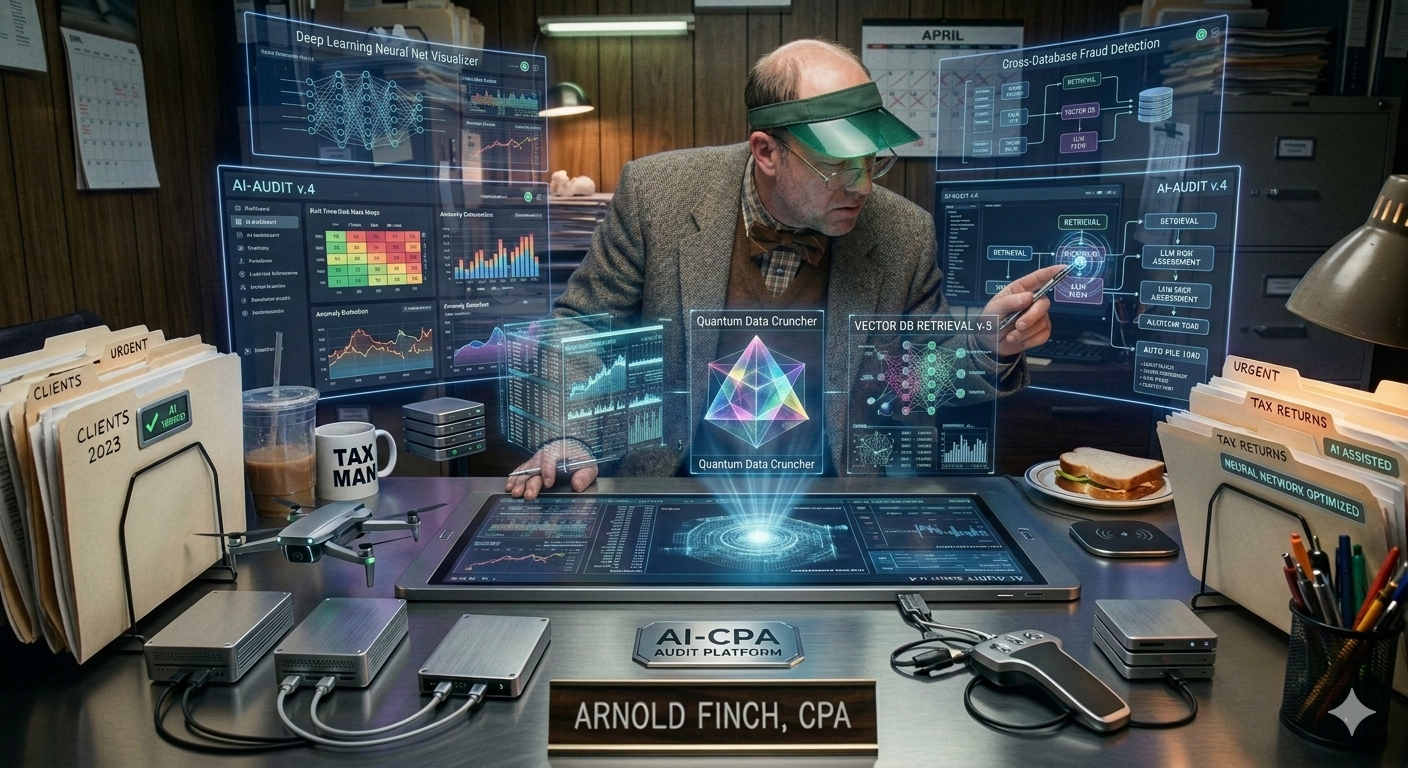
The CRA has been quietly building out its audit capabilities — and not in the way most people imagine. It’s not just more auditors reviewing more files. The agency is now using machine learning and artificial intelligence to mine an ever-growing pool of data about taxpayers’ income, transactions, and assets — both in Canada and abroad. It’s getting better, faster, and more targeted. Discrepancies that used to slip through are a lot harder to hide.
Here’s where accountants and tax lawyers say the CRA is focused this year.
Short-term rentals. If you have an Airbnb or vacation property that isn’t compliant with provincial or municipal regulations, the CRA can deny the expense deductions associated with it — maintenance, operating costs, all of it. Provinces have been tightening the rules on short-term rentals, and the CRA is actively helping enforce compliance. If your property doesn’t follow the local rules, you don’t get the deductions.
Real estate transactions. Specifically, buying or building a property and selling it shortly after while claiming the principal residence exemption. The exemption is legitimate and valuable when used correctly — but the CRA has made this one of its most active audit areas. If there’s a pattern of quick sales, expect questions.
Offshore assets. If you held foreign property with a combined value exceeding $100,000 at any point during 2025, you’re required to file a T1135 form. A lot of people aren’t aware of this. The penalties for missing it aren’t just significant — there are potentially three separate penalties for a single missed filing.
Cryptocurrency. The CRA has been obtaining transaction data directly from crypto exchanges. If you sold, traded, converted, or used crypto to make purchases in 2025, those are taxable events. The idea that crypto transactions are invisible to the government hasn’t been accurate for some time, and the CRA’s data collection is only getting more sophisticated.
Capital gains vs. business income. When someone disposes of an asset and realizes a significant gain, the CRA is increasingly asking whether it’s a capital gain or fully taxable business income. This used to be primarily a real estate and securities question. It’s now showing up with foreign exchange gains too — something that’s caught some taxpayers off guard.
None of this is cause for alarm if your affairs are in order. The vast majority of Canadians file accurately and never hear from the CRA. But complexity creates exposure. And the people we work with tend to have complexity — businesses, investment properties, alternative assets, equity events, cross-border activity. The more moving parts, the higher the chance that something gets missed when your advisor and your accountant aren’t working from the same picture.
The returns that get caught aren’t always the ones where something was done wrong. They’re often the ones where the left hand didn’t know what the right hand was doing.
If any of the areas above are relevant to your situation, now is the time to make sure your accountant has the full picture before they file. If you’re not sure whether something applies to you, reply to this email or reach out directly. That’s what we’re here for.
Market Minute
Since We Last Spoke
A quick note: this section has been rewritten several times over the past few days as the situation has evolved rapidly — and it may well be outdated by the time you read this. We’ll keep you updated as things develop.
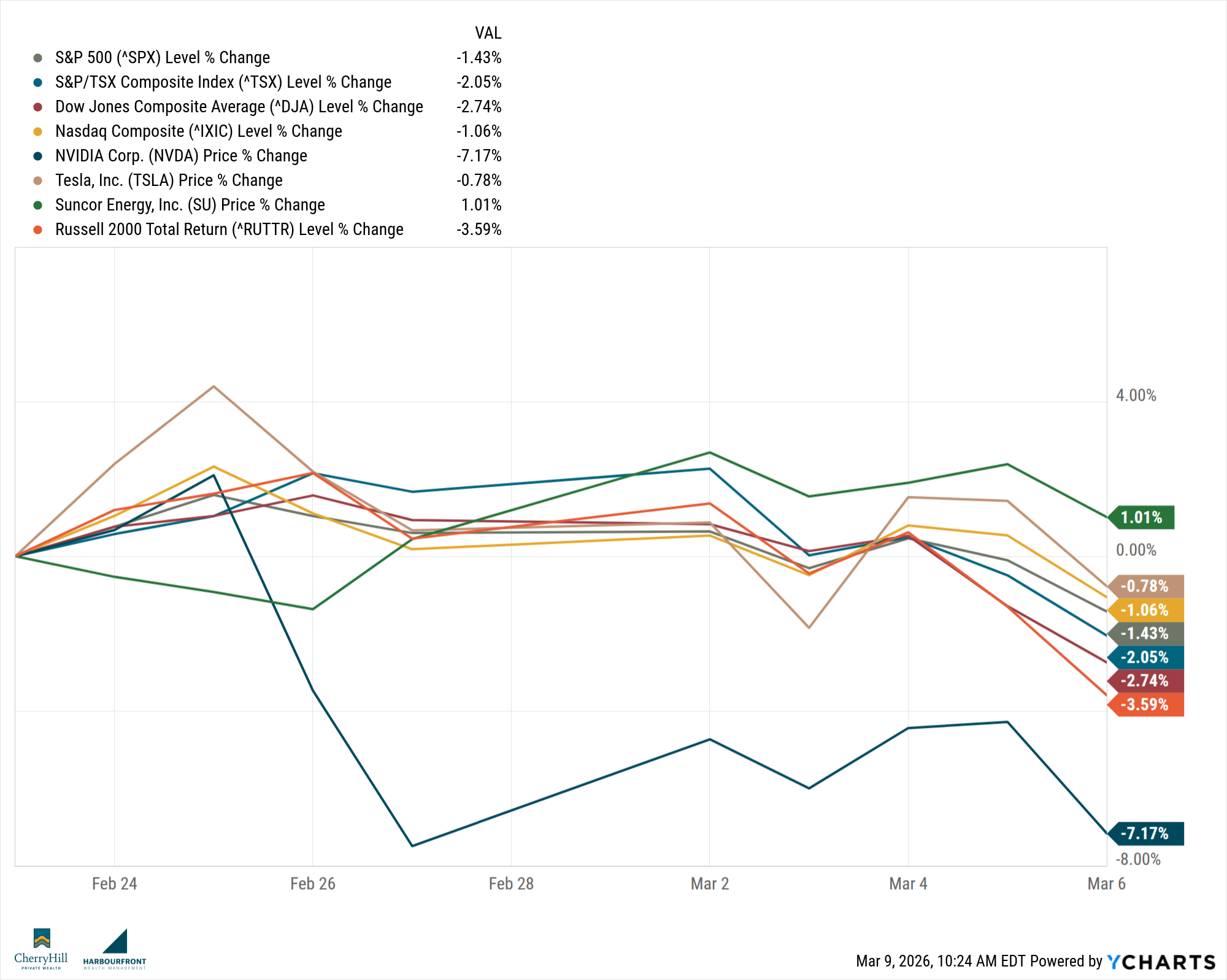
Two weeks ago, markets were quiet — almost eerily so. The TSX had just hit an all-time high of nearly 34,000, up over 6% for the year, lifted partly by a U.S. Supreme Court ruling that struck down the Trump administration’s tariff authority under emergency powers law. The S&P 500 was essentially flat for the year, grinding sideways in the narrowest trading range in decades. The big story was still AI disruption fears weighing on software stocks. Oil was sitting around $66 a barrel. It felt like a market waiting for something to happen.
Then something happened.
Over the weekend of March 1st, the United States and Israel launched coordinated strikes on Iran — targeting nuclear facilities and, critically, oil infrastructure. Supreme Leader Khamenei was killed in the attack. The conflict that had been simmering in the background of markets for months became the only thing markets were talking about. Many of you heard from us early that week as the situation was unfolding, and everything we flagged has continued to escalate.
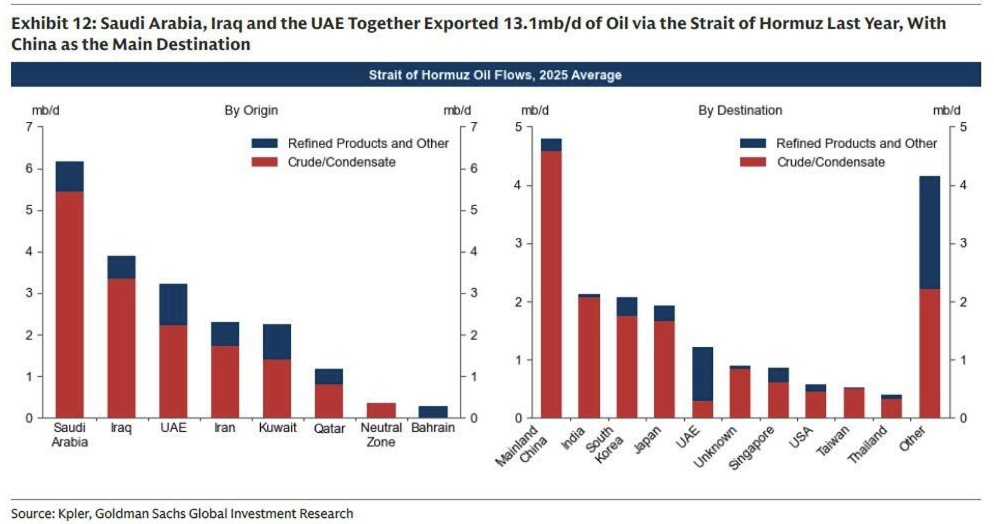
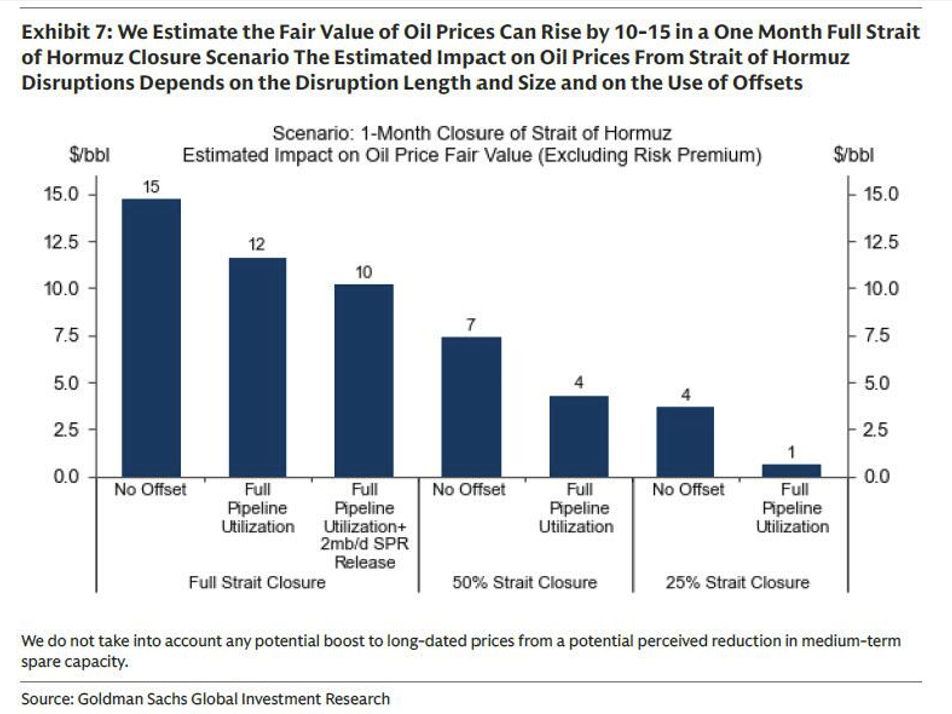
The immediate impact was oil. Brent crude, which had been in the mid-$70s, surged past $90 within days and has since pushed above $100 — territory it hasn’t seen since 2022. As of this writing, it briefly touched $119 before pulling back. The driver is the Strait of Hormuz, through which roughly 20% of the world’s oil and gas normally flows every day. Shipping through the strait has all but stopped. Iran’s Revolutionary Guard declared it closed. Tanker operators aren’t willing to risk it. Insurance has been pulled. Iraq and Kuwait have started cutting production because storage is filling up with oil that has nowhere to go.
Equity markets reacted accordingly. The S&P 500 and Nasdaq both fell sharply last week, and the Dow slipped into negative territory for the year. A weak February jobs report added to the pressure — payrolls actually declined for the month and unemployment ticked up to 4.4%. The TSX has held up better than U.S. markets, which is a function of Canada’s resource-heavy index actually benefiting from elevated energy prices. That’s not comfortable outperformance, but it’s real.
Energy stocks have been the standout on both sides of the border, now up over 25% year-to-date — by far the best performing sector. Everything else is navigating a more complicated picture: higher energy costs feed inflation, sticky inflation keeps central banks cautious, and weaker growth data complicates the outlook further.
There are some early diplomatic signals worth noting. Trump has indicated openness to talks with Iran. G7 finance ministers held an emergency call to discuss coordinating a release from strategic petroleum reserves. The U.S. has offered naval escorts and tanker insurance for vessels willing to transit the Strait. None of this has resolved anything yet — but the door to de-escalation hasn’t closed.
What We’re Watching
- Two very different messages: Trump said Monday the military campaign is “very complete, pretty much” — and markets responded immediately, with oil pulling back sharply and stocks recovering. Then Iran responded Tuesday by vowing that not one litre of oil would leave the Gulf for as long as the war continues. Both things are true right now. The gap between those two positions is where all the uncertainty lives, and it’s why this situation can move fast in either direction.
- Oil — volatile and unresolved: Brent briefly touched $119 before pulling back toward $90 on Trump’s comments, only to face renewed pressure from Iran’s response. The Strait of Hormuz remains effectively closed. Until there is a credible, on-the-ground path to reopening — not just statements — energy markets will stay on edge.
- Bank of Canada — April 16: This decision got dramatically harder to read in two weeks. Sustained oil above $90 is inflationary, but a weakening economy pushes the other way. The BoC is now caught between two forces pulling in opposite directions, and the Iran situation is the wildcard that makes either outcome plausible.
A note on portfolio design
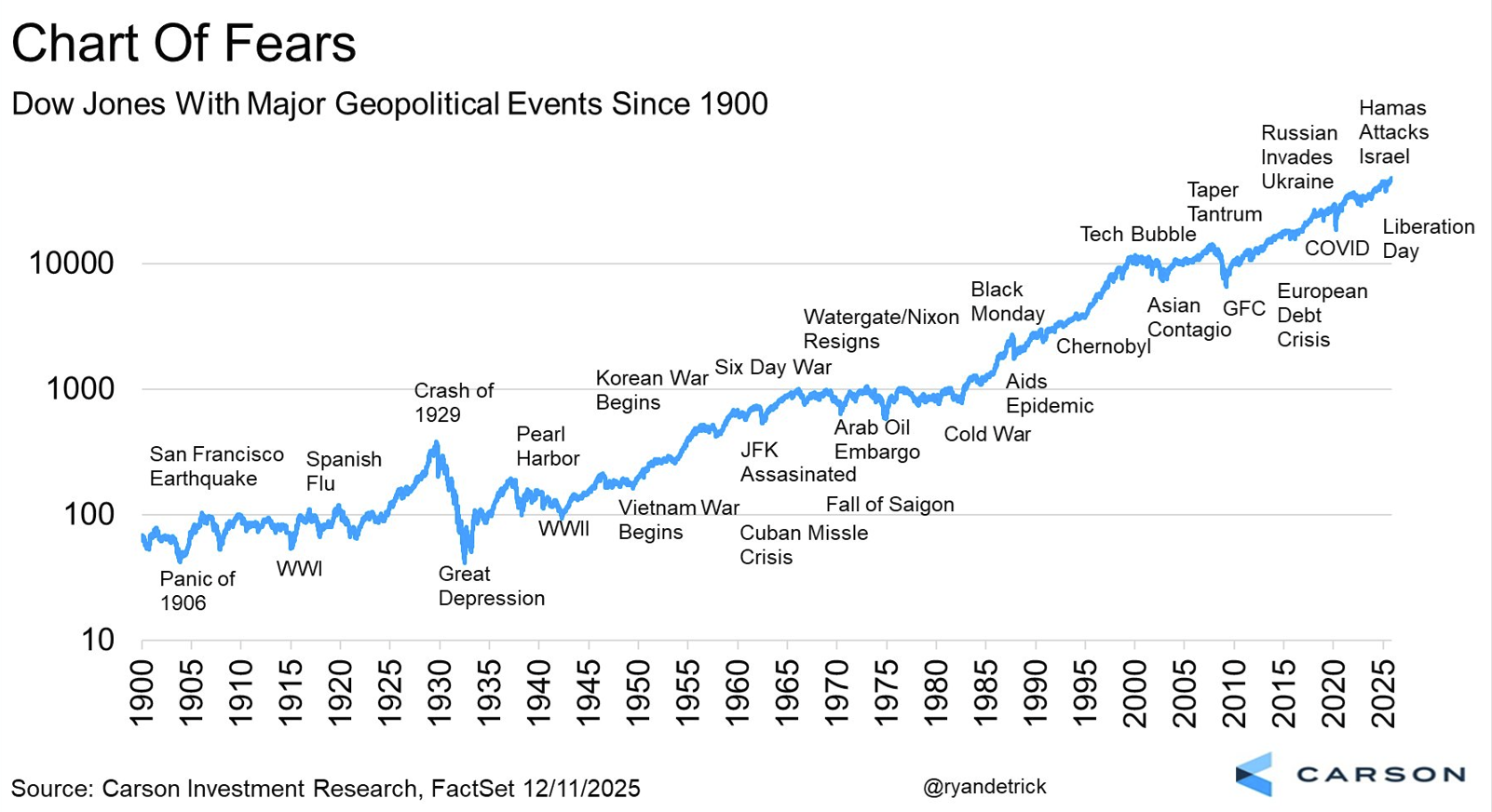
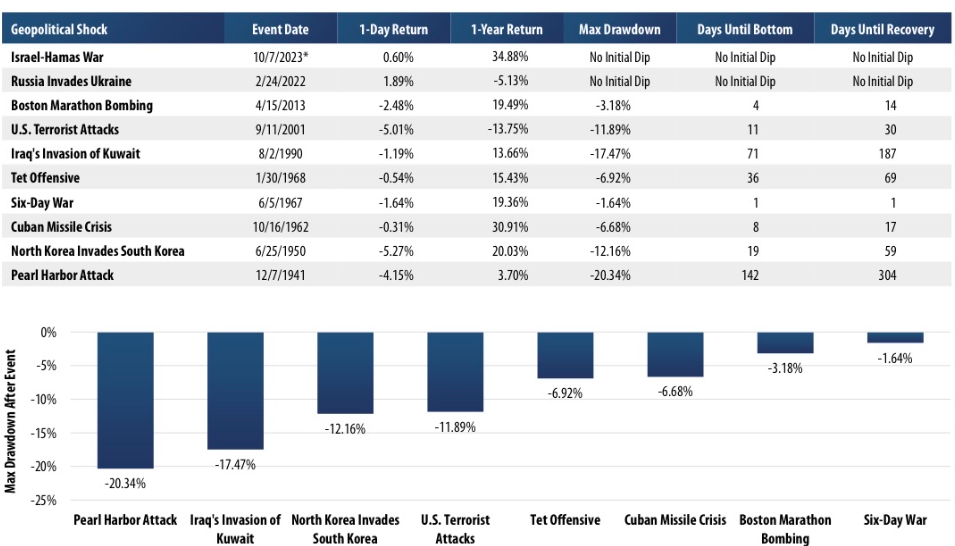
Weeks like these are worth putting in context. The portfolios we build at Harbourfront and Cherry Hill are constructed with exactly this kind of environment in mind — not because we predicted a war in Iran, but because uncertainty itself is predictable. We use a pension-style approach that goes well beyond public stocks and bonds: private credit, private equity, real estate, infrastructure, absolute return strategies, and other alternative solutions that don’t move in lockstep with what’s happening on Bay Street or Wall Street on any given Monday morning. These aren’t exotic add-ons — they’re the structural foundation that allows a portfolio to absorb shocks without abandoning the plan. If you’re a client, this is exactly what that architecture is designed for. If you’re not, and the past two weeks have made you wonder whether your portfolio is built for this kind of volatility — that’s a conversation worth having.
Final Thought
Welcome to the first issue of The Vantage.
If you’ve been reading the Cherry Hill newsletter for a while, you’ll notice a few changes. We’ve moved to every two weeks, which gives us more room to make each issue worth your time. Less noise, more signal.
The name felt right. A vantage point is where you go when you need to see the whole picture clearly — not just what’s directly in front of you. That’s what we’re trying to do here.
On the alternate weeks, we’re publishing From the Ridgeline — a shorter, more personal letter written for founders and business owners navigating the financial complexity that comes with building something. If that sounds like someone you know, feel free to forward it along. They can subscribe at fromtheridgeline.com
As always, if anything in this email sparked a question or you want to talk through how any of this applies to your situation, just reply. We read every one.
Until next time, stay informed and strategically invested!
Trevor