


School’s In. Let’s Talk About the Real-Life Curriculum.
In today’s email:
- Back-to-school means more than backpacks — it’s time for financial education
- How (and when) to start teaching kids about money
- Great books to help kids and teens learn about saving, spending, and investing
- TSX leads global markets with a strong weekly gain
- All eyes now turn to inflation reports
The Scoop
With kids heading back to school last week, most of the focus this time of year is on reading lists, class schedules, and getting back into a routine. But this season can also be a perfect opportunity to teach something not covered in the classroom — financial literacy.
Whether your kids are in primary school or university, it’s never too early (or too late) to start the conversation about money. And while RESPs and tuition planning are essential tools, what may have the most lasting impact is helping your children or grandchildren build a healthy relationship with money — one that includes saving, spending wisely, and investing for the future.
Here’s how to approach these conversations at different ages, along with a few book recommendations that can help spark curiosity and confidence in young minds.

When Should You Start Talking About Money?
Sooner than most people think. Studies show kids start forming money habits by age 7. That doesn’t mean sitting them down with a spreadsheet, but it does mean being open about how money works — what things cost, how we make trade-offs, and why saving matters.
Age-by-Age Financial Talking Points
Ages 4–7: The Basics
- Keep it visual and simple. Use jars or envelopes for “Spend,” “Save,” and “Give.”
- Let them use their own money for small purchases — the experience teaches trade-offs.
- Avoid always saying “we can’t afford that.” Instead say, “That’s not how we’re choosing to spend our money right now.”
Book Recommendation:
📘 “Bunny Money” by Rosemary Wells — A fun story about choices, consequences, and managing money for younger children.
Ages 8–12: Habits and Value
- Introduce allowances with purpose. Tie them to effort or household contributions, not just age.
- Help them set short-term goals (e.g., a toy, book, or app).
- Start introducing banking basics — opening a youth account or letting them watch you pay bills online.
Book Recommendation:
📗 “The Lemonade War” by Jacqueline Davies — A fun read that introduces entrepreneurship, money-making, and sibling competition.
Ages 13–17: Earning and Budgeting
- Encourage part-time work or entrepreneurial efforts (dog walking, lawn care, tutoring).
- Teach them how to budget. Help them plan for bigger expenses like a bike, phone, or trip.
- Introduce investment basics — what stocks and interest are, and the power of compound growth.
- Be open about your own financial values and decisions — kids this age learn by observation.
Book Recommendation:
📙 “I Will Teach You to Be Rich (Young Adult Edition)” by Ramit Sethi — Practical advice on saving, spending, and even investing, written in an accessible and entertaining way for teens.
Ages 18+: Responsibility and Freedom
- Walk them through their first credit card or help them understand the risks of debt.
- Encourage automated savings (especially once they have a job or start paying rent).
- Consider gifting shares of stock or investing together in a custodial/TFSA account.
- Help them understand taxes, pay stubs, and the real cost of student loans.
Book Recommendation:
📕 “The Psychology of Money” by Morgan Housel — Excellent for late teens and young adults ready for a deeper mindset shift about money, behaviour, and decision-making.

What About RESPs?
If you’re saving for a child or grandchild’s education, a Registered Education Savings Plan (RESP) remains one of the best tools available in Canada. Not only do contributions grow tax-free, but the government also matches 20% of your contributions (up to $500 per year, per child). But remember — the RESP is only part of the puzzle. Teaching them what to do with money can be just as important as saving it.
Final Thought
The goal isn’t to raise a perfect investor by age 18. It’s to raise someone who feels confident, curious, and capable when it comes to money. And whether you’re a parent or a grandparent, back-to-school season is a great reminder that some of the most valuable lessons happen outside the classroom.
If you’d like help setting up an RESP or want to explore other ways to teach investing to the next generation, we’d love to help.
Market Minute
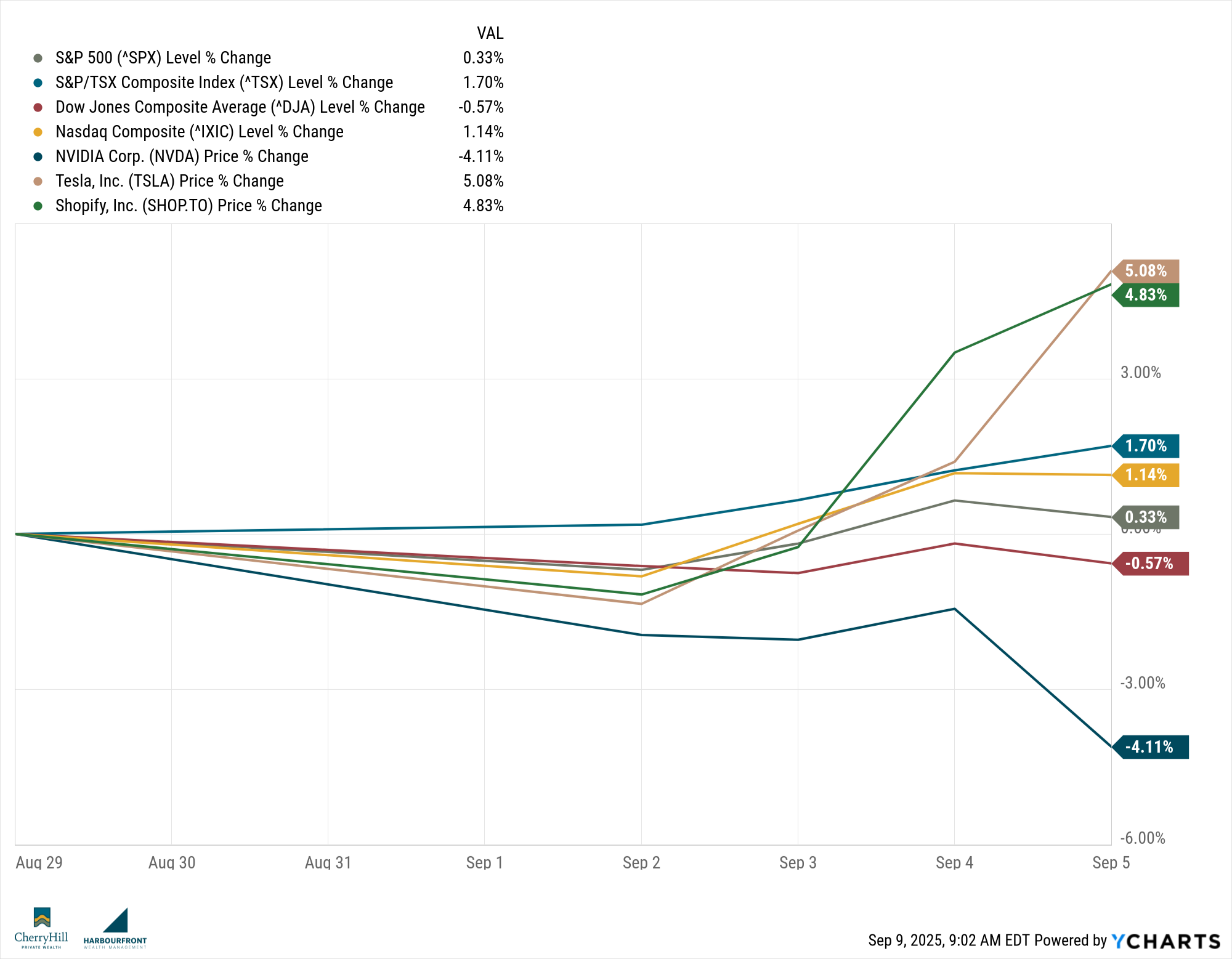
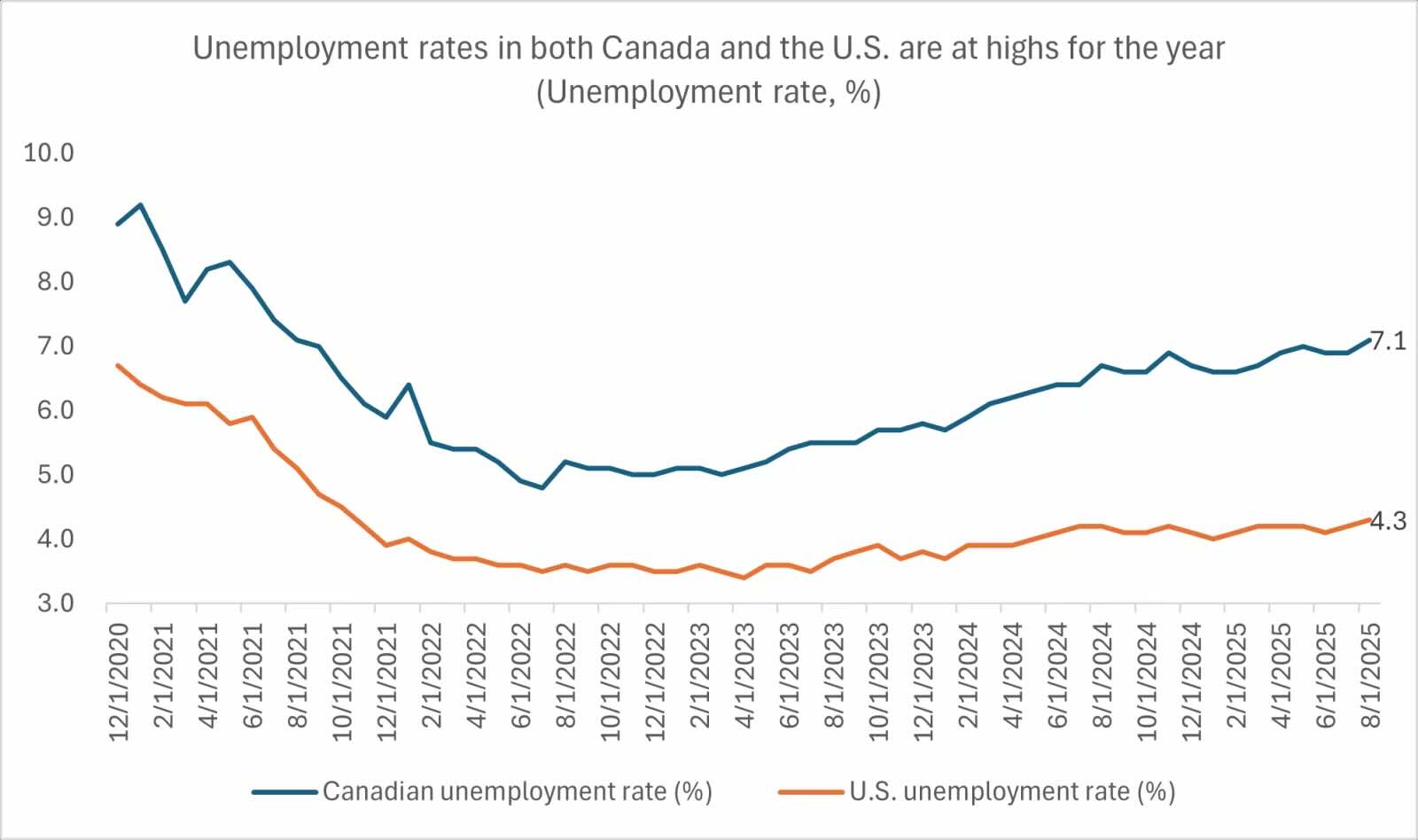
Markets trended higher across the board last week, as earnings optimism and cooling inflation indicators helped ease recession worries. Investors also took comfort in strong U.S. housing data and better-than-expected jobless claims, which pointed to a still-resilient economy.
Canadian Markets:
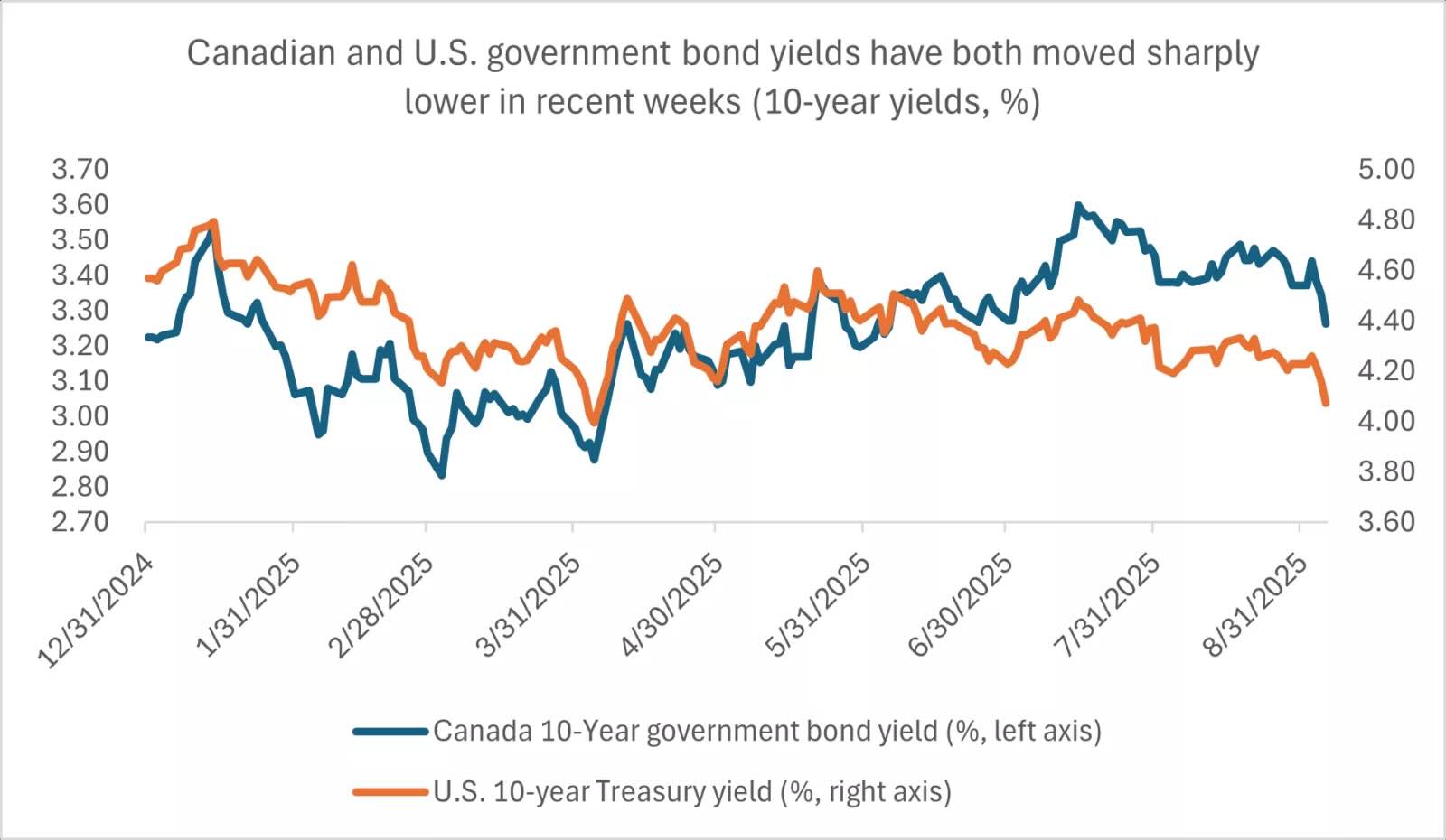
The TSX advanced +0.65%, lifted by gains in energy and financials. Oil prices climbed above $80 USD/barrel again, which supported Canadian producers, while banks edged higher as sentiment improved around a potential rate cut later this year. Consumer stocks also benefited from stronger-than-expected retail spending.
U.S. Markets:
U.S. stocks posted solid gains, with the S&P 500 up +1.05%, the Nasdaq rising +1.65%, and the Dow Jones climbing +0.75%. A rebound in tech and growth names drove performance, as NVIDIA’s strong earnings report renewed enthusiasm for AI-related investments. Economic data also supported sentiment, with a decline in initial jobless claims and a jump in existing home sales.
Global Markets:
Global equities kept pace, with the MSCI EAFE index up +0.80%. European stocks rallied on improving consumer confidence and easing inflation pressures, while Japan’s Nikkei extended gains thanks to stimulus expectations and strong earnings from exporters. China remained a source of concern as property sector risks continued to weigh on investor sentiment.
Sector Spotlight:
Technology was the clear winner last week, led by NVIDIA, which surged after delivering a blowout earnings report that exceeded already-high expectations. AI infrastructure and chip stocks broadly benefited from the halo effect, reminding investors of the powerful long-term secular trend driving the sector.
Quote of the Week:
“Risk comes from not knowing what you’re doing.”
— Warren Buffet
Trends to Watch This Week:
Here’s what were watching this week:
- Jackson Hole Symposium: Central bankers gathered in Wyoming, with markets parsing every word from Fed Chair Jerome Powell for clues on rate policy.
- Canadian Inflation Expectations: Any shifts in consumer price expectations could influence future Bank of Canada policy.
- Earnings Wrap-Up: As earnings season winds down, analysts are watching for margin guidance and forward-looking statements for Q4 and beyond.
Summary:
The final full week of August brought a wave of positive sentiment as economic indicators, strong earnings, and continued AI enthusiasm lifted markets. While macro risks remain, investors appear more confident that central banks can achieve a soft landing without derailing growth.
Final Thought
With kids back in school this past week, it has given me time to reflect on what our education system does - and what it doesn’t. I have seen many social media posts or heard from other parents about how their kid is learning how to find the area of a parallelogram, but can’t balance a budget. As parents, and grandparents, we need to be the teachers to show our kids the value of money.
Most of us have, at one time or another, sat in reflection wishing that we had started investing earlier, or made better financial decisions when we were younger. We have the opportunity to show this next generation how to be more “money smart” - and we’re here to help. Our team has great resources and can help you teach these valuable lessons.
Until next time, stay informed and strategically invested!
Trevor