


Tariffs Are Coming - Again.
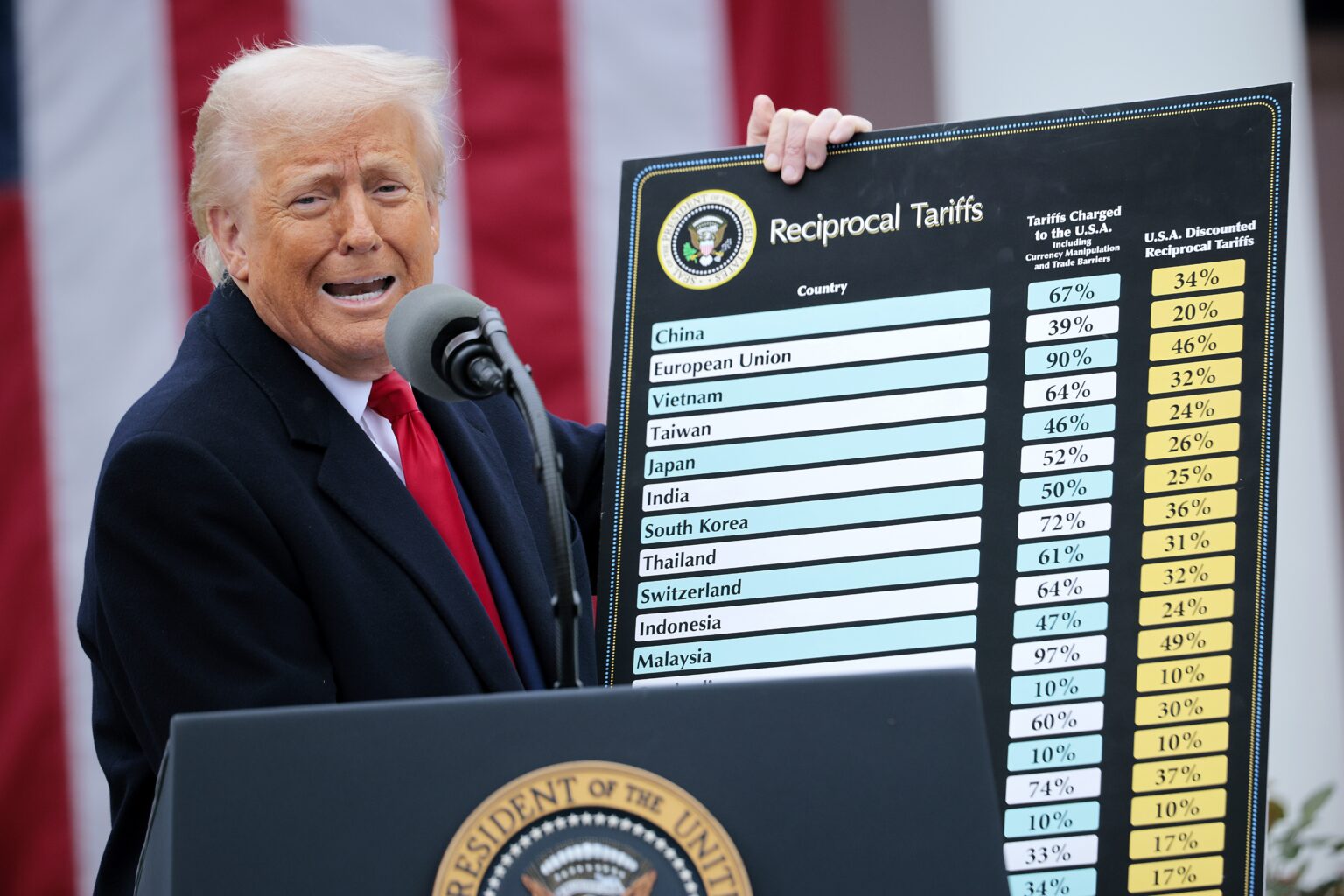
In what has been a dramatic several weeks of tariff talks from President Trump, we finally have an outline for what The U.S.’s vision for the economy and economic trade will be. During a widely anticipated Rose Garden event, declared “Liberation Day” Trump unveiled sweeping new tariffs aimed at reshaping America’s global trade relationships.
We’ve seen trade tensions rise before—but this one landed with a thud that could echo across markets for weeks.
What Was Announced?
Effective immediately, the U.S. will implement a baseline 10% tariff on all imports, with even steeper penalties for major trading partners:
- China: 34%
- Taiwan: 32%
- Japan: 24%
- European Union: 20%
- India: 26%
- Vietnam: 46%
These tariffs are in addition to already existing tariffs.
On top of that, all foreign-made automobiles and parts will face a 25% tariff, triggering immediate concerns across the auto industry. Notably, after being the focus of tariff talks for weeks, Canada and Mexico were exempt for any goods compliant with the USMCA.
Futures Market Reaction
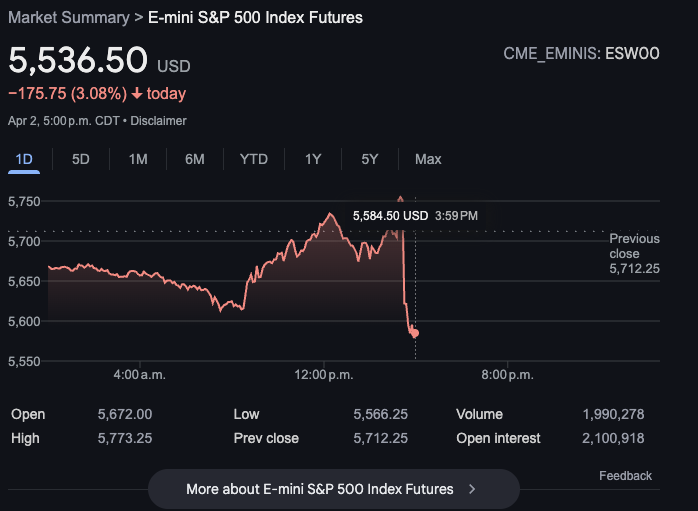
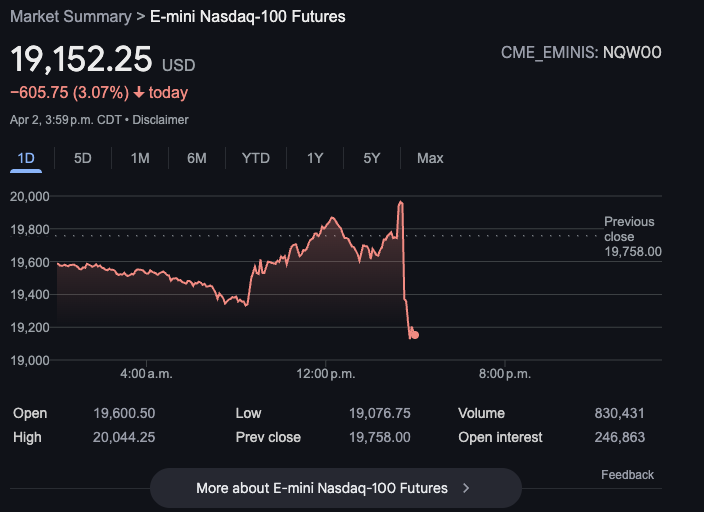
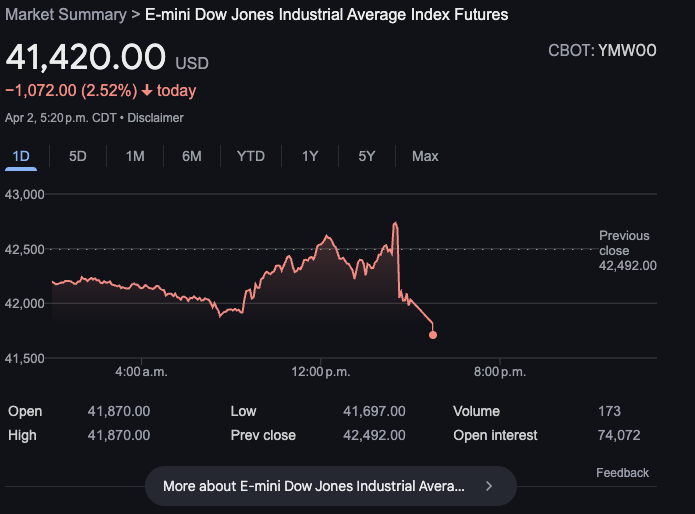
The market reaction was swift and decisive. Within minutes of the announcement, major U.S. future indices dropped. Just over an hour after the announcement they had fallen further:
- Dow Futures: Dropped 2.52%
- S&P 500 Futures: Fell 3.08%
- Nasdaq 100 Futures: Slid 3.07%
Tech stocks were hit especially hard. Apple, Amazon, and Nike each dropped over 4% in after-hours trading. Investors see these tariffs not just as a cost to importers—but as a potential inflation accelerant and supply chain disruptor.
Global Response
Predictably, global leaders were quick to respond:
- The European Union called the move “damaging” and hinted at retaliation.
- The UK voiced concern over economic fallout.
- China has yet to issue an official statement but is expected to respond strongly.
What Does It Mean for Investors?
For all the patriotic framing, these tariffs introduce new uncertainty into an already delicate global economy. Higher import costs could lead to:
- Rising consumer prices
- Supply chain bottlenecks
- Reduced corporate profit margins
- Slower global growth
And all of this comes at a time when inflation and a possible recession are already top-of-mind for central banks and consumers alike.
What’s Next?
Expect a volatile stretch ahead. Markets hate surprises, and this was a big one. Watch for:
- Global retaliation: Will trade partners counter with tariffs of their own?
- Consumer price impacts: Retailers and manufacturers will be scrambling to assess cost structures.
- Federal Reserve reaction: Higher prices might force them to delay or reduce future rate cuts.
If you’re invested globally (as most diversified investors are), this news matters. It may even reinforce the case for alternative assets or strategies designed to hedge against volatility and inflation—something we’ve long emphasized in our planning process.
If you have any questions about how this could affect your portfolio—or whether you’re protected against the risks this kind of policy introduces—let’s talk. This is exactly the kind of thing we prepare for.
Until next time, stay informed and strategically invested!
Trevor