
10%+ Returns With Less Volatility?
The major pensions seem to have a magical formula to reduce volatility and get above market returns - how do they do it?
In today’s email:
- Is it possible to make money when markets are down?
- How do the pensions get it right so often?
- Europe is hitting new highs and most major markets were celebrating a great week.
- Geopolitical uncertainty continues to worry investors, but is a Ukraine-Russia resolution close?
The Scoop
Last week, I was discussing with a client the different investments we use to manage risk and create more predictable returns. It got me thinking— for many people, stepping away from mutual funds can feel unfamiliar or even a little intimidating. So, I took a closer look at some of the investors whose strategies have influenced our approach. This week, I’ll shed some light on who they are, what they do, and why their methods work.
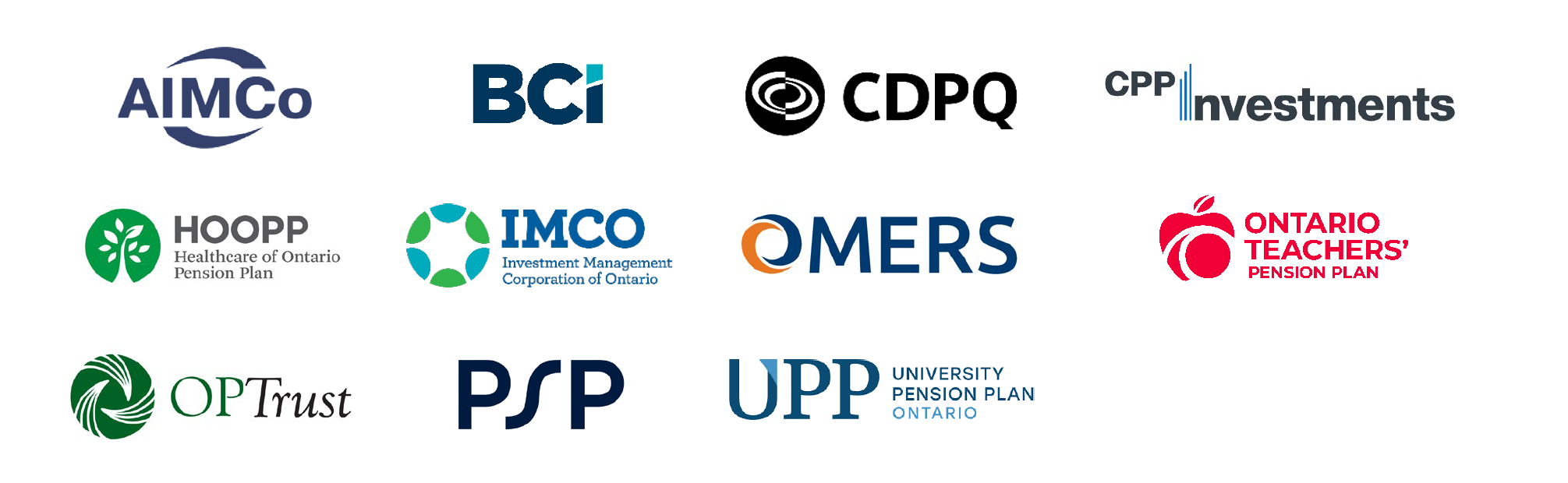
When it comes to investing, some of the biggest players in the world aren’t hedge funds or billionaire-backed family offices—they’re pensions and endowments. Organizations like the Canada Pension Plan (CPP), the Ontario Teachers’ Pension Plan (OTPP), the Healthcare of Ontario Pension Plan (HOOPP), and Yale’s endowment have built investment strategies that not only generate strong long-term returns but also weather market turbulence better than most retail portfolios.
So, what can we learn from them?
The Investment Allocation: Beyond Stocks and Bonds
Most individual investors think of portfolios in terms of equities and fixed income. Pensions and endowments take a different approach. While they still own public stocks and bonds, a significant portion of their capital is allocated to private assets—namely, private equity, infrastructure, and private credit.
Take CPP, for example. As of its latest report, only about 34% of its portfolio is in public equities, while private equity, credit, and infrastructure make up close to half. OTPP has a similar mix, with less reliance on traditional stock markets and a heavier emphasis on alternative investments like real estate and private credit. Yale’s endowment, which has been a pioneer in this approach, allocates more than 60% of its portfolio to alternatives, with a heavy tilt toward venture capital and private equity.
Investment Philosophy: Playing the Long Game
The key to their strategy? Long-term thinking and a disciplined approach to risk. Unlike the average investor who might panic during a market selloff, these funds are focused on multi-decade horizons. Their investment committees understand that short-term volatility is inevitable, but what matters is compounding returns over time.
They also aren’t afraid to take illiquidity risk—that is, tying up money in investments that can’t be sold easily—because they know their timeframes allow them to wait out rough patches. This is why private markets play such a big role in their portfolios.
In our funds, since we understand our clients can’t tie up their investments for decades, we have created a multi-manager strategy that allows the fund manager to maintain a long-term horizon, but allow our clients the flexibility to access funds when they need it.

Risk Management: Stability in Unstable Markets
One of the biggest advantages pensions and endowments have is downside protection in poor market years. When public markets tank, private investments tend to hold their value better.
- Private Equity: While public stocks can drop 20-30% in a bad year, private equity funds are marked to market less frequently, smoothing out volatility. More importantly, private companies often have more stable capital structures that allow them to ride out economic downturns without immediate sell pressure.
- Infrastructure: Assets like toll roads, utilities, and airports provide steady cash flows, even during recessions. These investments act as a cushion when stock markets decline.
- Private Credit: With banks tightening lending, private lenders are filling the gap, and yields on private debt remain strong. In rising rate environments, floating-rate private loans have been a particularly strong performer, giving pensions stable, high-income returns.
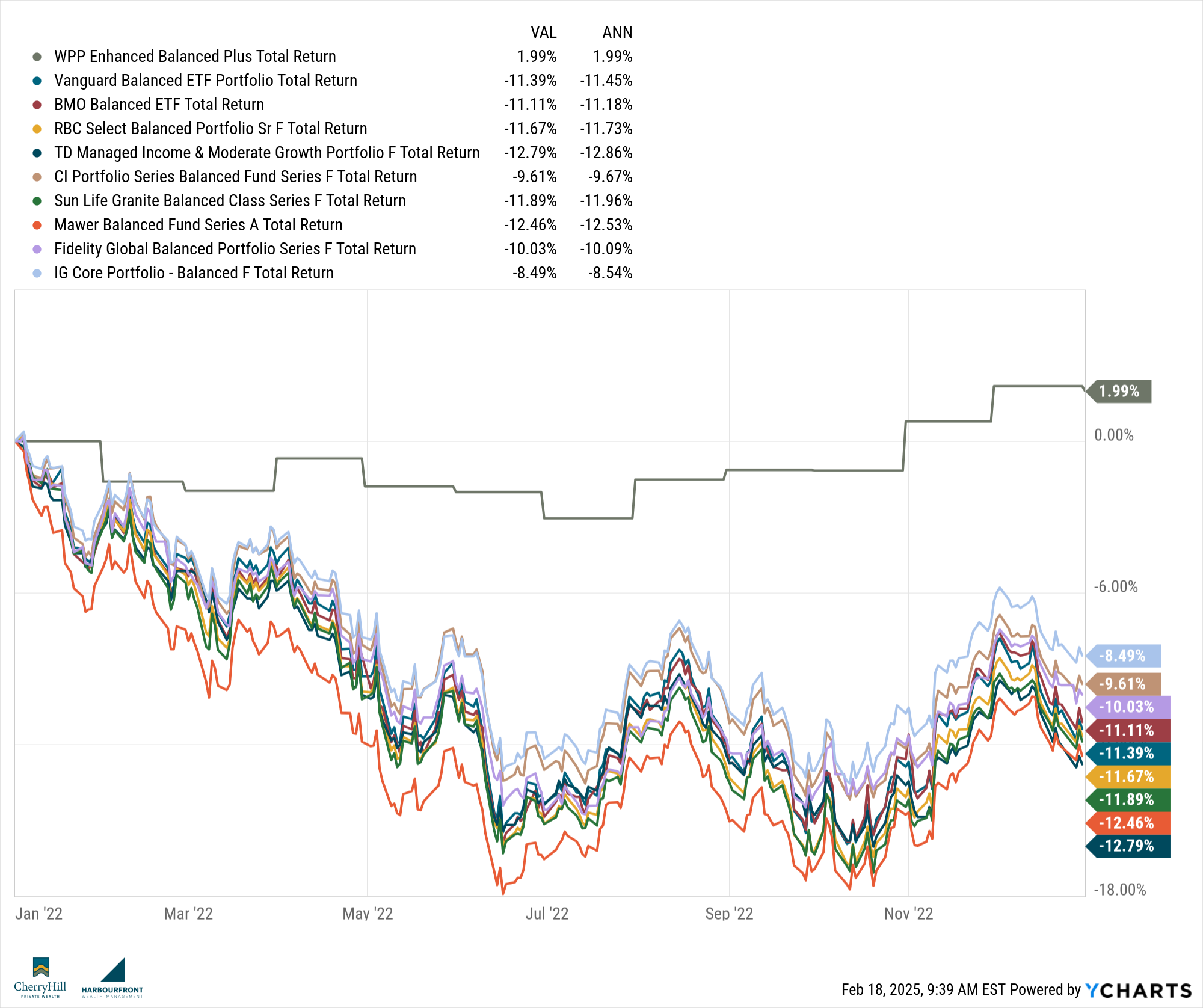
HOOPP, for example, has been one of the most resilient pension funds in tough market years because of its disciplined approach to asset allocation. Meanwhile, OTPP was one of the few funds that posted positive returns in 2022, when most traditional stock-and-bond portfolios struggled.
The Results Speak for Themselves
Over the past couple of decades, the best-performing pension funds and endowments have significantly outperformed traditional 60/40 portfolios.
- CPP has delivered an average annual return of 10% over the past 10 years
- OTPP has returned 9.6% annually since inception
- Yale’s endowment has compounded at 13% for more than 30 years, thanks to its focus on alternative assets
Compare that to the average balanced portfolio, which has struggled to deliver more than 7% annually over long periods.
What This Means for You
While most individuals don’t have the same access to investments as these massive funds, the core principles of diversification, long-term thinking, and private market exposure are still relevant. Today, we are seeing more private investment opportunities are available to accredited investors than ever before. There are also firms like ours, that allow individuals to incorporate some private credit, infrastructure, or real estate into a portfolio, which could help provide better risk-adjusted returns.
If you want to explore how elements of this institutional approach can fit into your own investment plan, let’s have a conversation. The best investors in the world are doing this for a reason—if you haven’t done so already, it might be time to take a page from their playbook.
Market Minute
After some up and down weeks, last week was pretty stable in global markets with positive movement pretty much across the board.
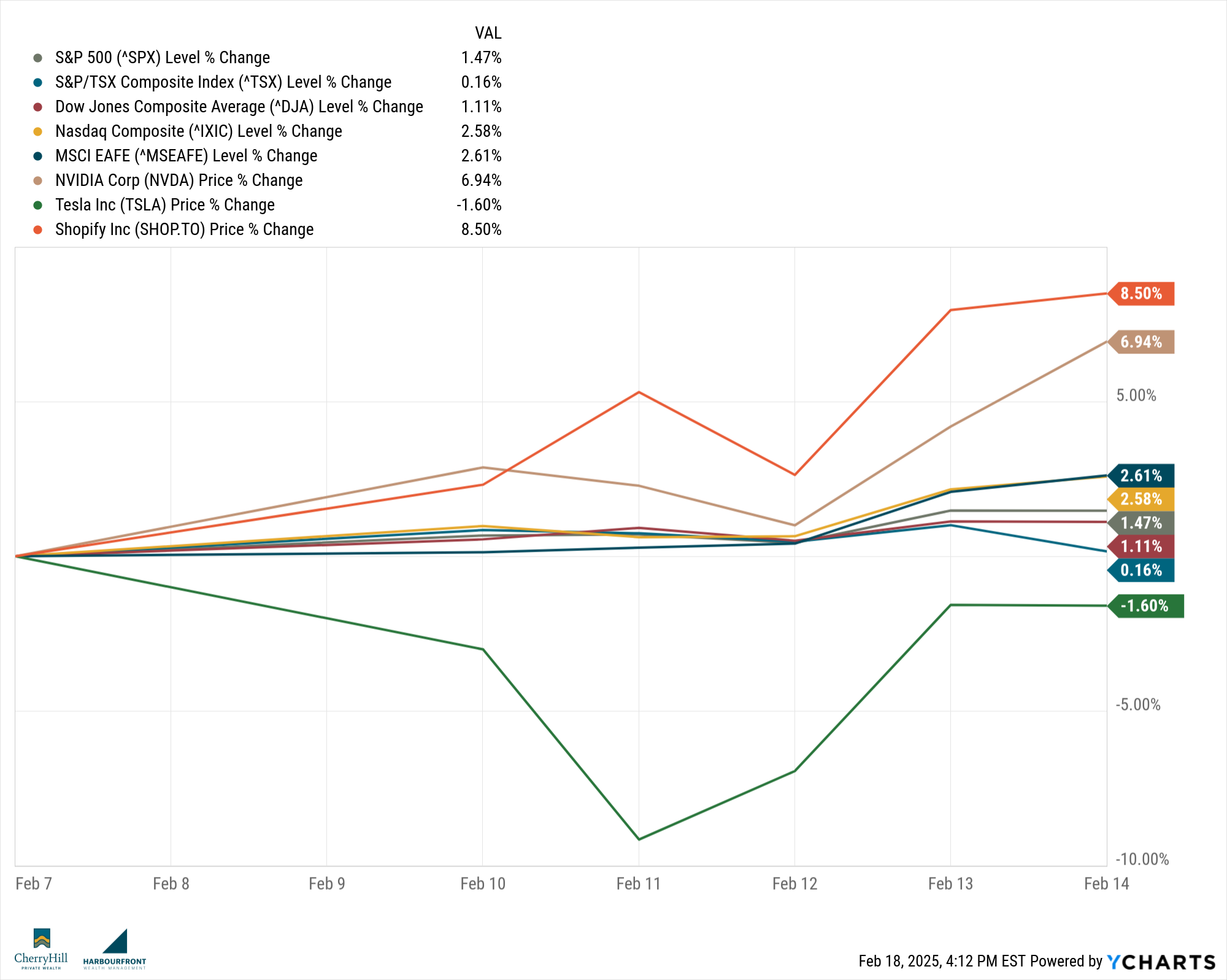
**United States: **The S&P 500 advanced 1.5%, the Dow Jones Industrial Average added 1.1%, and the Nasdaq Composite gained 2.6% last week. These gains were driven by strong corporate earnings, particularly in the technology sector, and investor optimism despite inflation concerns.
**Europe: **European equities reached new all-time highs, with the MSCI EAFE index rising 2.61% over the week. The rally was supported by robust corporate earnings from companies like Siemens and Heineken, as well as positive sentiment surrounding potential ceasefire negotiations in the Russia-Ukraine conflict.
Asia: Asian markets ended mostly higher, marking the fifth consecutive weekly gain for the region. Hong Kong’s Hang Seng index led with a 7% surge, driven by enthusiasm for artificial intelligence advancements following recent announcements
Key Influencing Factors:
In the United States, January’s Consumer Price Index (CPI) revealed a 3% year-over-year increase, surpassing expectations and intensifying discussions about the Federal Reserve’s monetary policy trajectory. Additionally, retail sales fell by 0.9% in January, indicating potential softness in consumer spending.
Trends We’re Watching
**1. Corporate Earnings: **Earnings season is still upon us with notable companies like Occidental Petroleum, Garmin, Alibaba, and Walmart announcing earnings this week.
**2. Economic Indicators: **This week we are keeping an eye on the release of the minutes from the last Federal Reserve Meeting, which will offer insights into monetary policy deliberations. There will also be important housing market data being released as well as the PMI Indexes, which can shed light on manufacturing and services activity.
**3. Geopolitical Developments: **Meetings are happening to try and put an end to the Russia-Ukraine war, although without Ukraine being represented. We are also keeping a close eye on the U.S. distancing themselves from several initiatives, which could have drastic global ramifications.
Until next time, stay informed and strategically invested!
Trevor