


Timing the Market?
What is the right way to manage a portfolio in volatile times?
In today’s email:
- Is it “Time in the market” or “Timing the market”?
- Why does Yale seem to get it right so often?
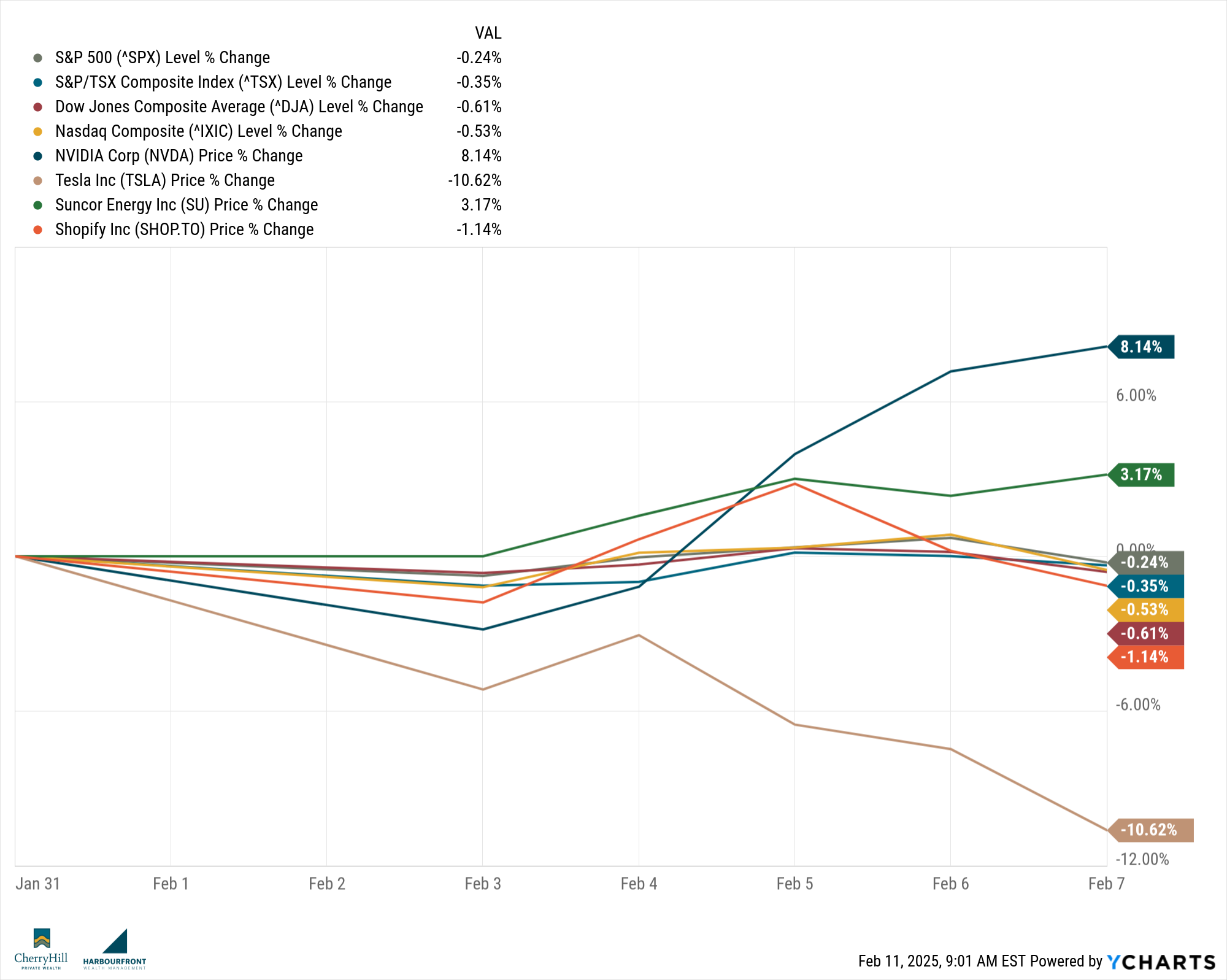
- Tesla had a rough week, but Nvidia is back.
- Markets continue to be volatile with lost of uncertainty looming.
The Scoop
If you’ve been in the investment world for any length of time, you’ve probably heard the phrase, “Time in the market beats timing the market.” It’s a popular saying because, historically, investors who stay invested tend to outperform those who jump in and out. But like most financial wisdom, there’s nuance to it.
Is market timing really impossible? And if it is, how do institutions like Yale’s endowment navigate volatility successfully?
Let’s break it down.
The Case for Time in the Market
There’s plenty of research backing up the idea that staying invested is the smartest move. Markets tend to rise over the long term, and missing just a handful of the best days can seriously impact returns. A study from J.P. Morgan found that missing the 10 best days in the market over a 20-year period could cut your total return by more than half. The problem? Those best days often come right after the worst days—when most people are feeling too fearful to stay invested.
For most investors, trying to pick tops and bottoms is a fool’s errand. Consistently getting it right means not only knowing when to sell, but also when to get back in—two decisions that are notoriously difficult to time correctly.
The alternative? Buy, hold, and ride out the waves.

The Case for Market Timing (Sort Of)
Despite the dangers of trying to predict short-term market movements, market timing in some form does exist. Professional investors don’t just blindly hold assets through every cycle. Instead, they adjust risk exposure based on economic conditions.
Take Yale’s endowment, for example. Under David Swensen’s leadership, Yale revolutionized institutional investing by moving away from a traditional stock-and-bond mix toward alternative assets like private equity, hedge funds, and real estate. While Yale doesn’t attempt to time the market in the traditional sense, they do practice tactical allocation—shifting capital toward undervalued assets and away from overvalued ones.
In volatile times, Yale’s approach shines because it prioritizes illiquid, long-term investments that aren’t subject to the daily mood swings of public markets. Unlike the average investor, who often sells into market weakness out of fear, Yale leans into assets that perform well over decades, not days.

What’s the Takeaway?
For most of us, the lesson is this: While perfect market timing is nearly impossible, thoughtful allocation adjustments and a long-term perspective can make all the difference.
If you’re investing for retirement, the bulk of your portfolio should probably remain invested through thick and thin. But that doesn’t mean you should ignore asset valuations or economic trends. The best investors—whether institutions like Yale or disciplined individuals—don’t react emotionally but instead take a measured approach:
- Stay invested for the long haul.
- Avoid knee-jerk reactions to market volatility.
- Adjust allocations based on fundamental opportunities, not headlines.
The key difference between successful and unsuccessful investors isn’t whether they try to time the market—it’s how they think about risk and opportunity over time.

Market Minute
We have seen more volatility in the markets this past week, influenced by economic data and policy announcements.
Let’s take a look at what happened this past week.
United States:
- S&P 500: The index saw fluctuations throughout the week, ultimately declining by 0.2%. On Friday, it fell 0.9%, erasing earlier gains.
- Dow Jones Industrial Average: The Dow decreased by 0.5% over the week, with a significant drop of 1% (444 points) on Friday.
- Nasdaq Composite: The tech-heavy index also declined by 0.5% during the week, experiencing a 1.4% decrease to end the week, primarily due to a substantial drop in Amazon’s stock following its latest profit report.
Canada:
- S&P/TSX Composite Index: The Canadian market mirrored U.S. trends, with the S&P/TSX Composite Index experiencing declines during the week. On Friday it closed down, influenced by the latest job reports and global market movements.
Key Influencing Factors:
- Tariff Announcements: President Trump’s announcement of new tariffs on imports from Canada, Mexico, and China raised concerns about potential trade wars, contributing to market declines.
- Inflation Concerns: Rising inflation expectations, with consumer sentiment indicating a surge to 4.3%—the highest since 2023—added to investor apprehension.
- Employment Data: The U.S. Labor Department reported that employers added fewer jobs in January than anticipated, while the unemployment rate unexpectedly declined to 4.0%. This mixed data influenced market sentiment.
Overall, the period was marked by heightened market sensitivity to policy changes and economic indicators, leading to increased volatility in both U.S. and Canadian markets.
Trends We’re Watching
**1. U.S. Inflation Data: **The Consumer Price Index (CPI) for January is set to be released, with analysts forecasting a 0.3% month-over-month increase. This data will provide insights into inflation trends and could impact Federal Reserve policy decisions.
**2. Federal Reserve Chair Powell’s Testimony: **Fed Chair Jerome Powell will deliver his semi-annual testimony to Congress, offering perspectives on economic conditions and monetary policy. Investors will closely monitor his remarks for indications of future interest rate adjustments, especially in light of recent inflation data.
3. Global Trade Developments:
Recent announcements of new tariffs by the U.S. have heightened trade tensions. Markets are reacting to potential implications for global trade dynamics and economic growth.
The CHPW Team
This past week our Watermark Private Portfolio team released their January market commentary. They also made several changes to many of the mandates to help ride out these volatile times - for a full list of changes, please reach out and we’ll send it over.
Until next time, stay informed and strategically invested!
Trevor