
2024 Market Recap:
Lessons Learned & Opportunities Ahead
2025 has barely begun, and we’re already seeing headlines that could reshape the year ahead. With Trudeau stepping down, Canadian politics are entering uncharted territory, adding a new layer of uncertainty to an already dynamic start to the markets.
In today’s email:
- Reflection is always important, and the beginning of a new year is always a good time to look back.
- AI continues to push the markets and we’re expecting some interesting announcements this week at CES
- New Year’s resolutions seldom hold up, but we took a look at what the most common resolutions were for 2025 - what are yours?
The Scoop
As we close the books on 2024, it’s an opportune moment to reflect on a year that defied expectations and reshaped the financial landscape. From robust equity performances to significant shifts in private markets, the past twelve months have offered both challenges and opportunities for investors.
Equity Markets: A Year of Surprising Strength
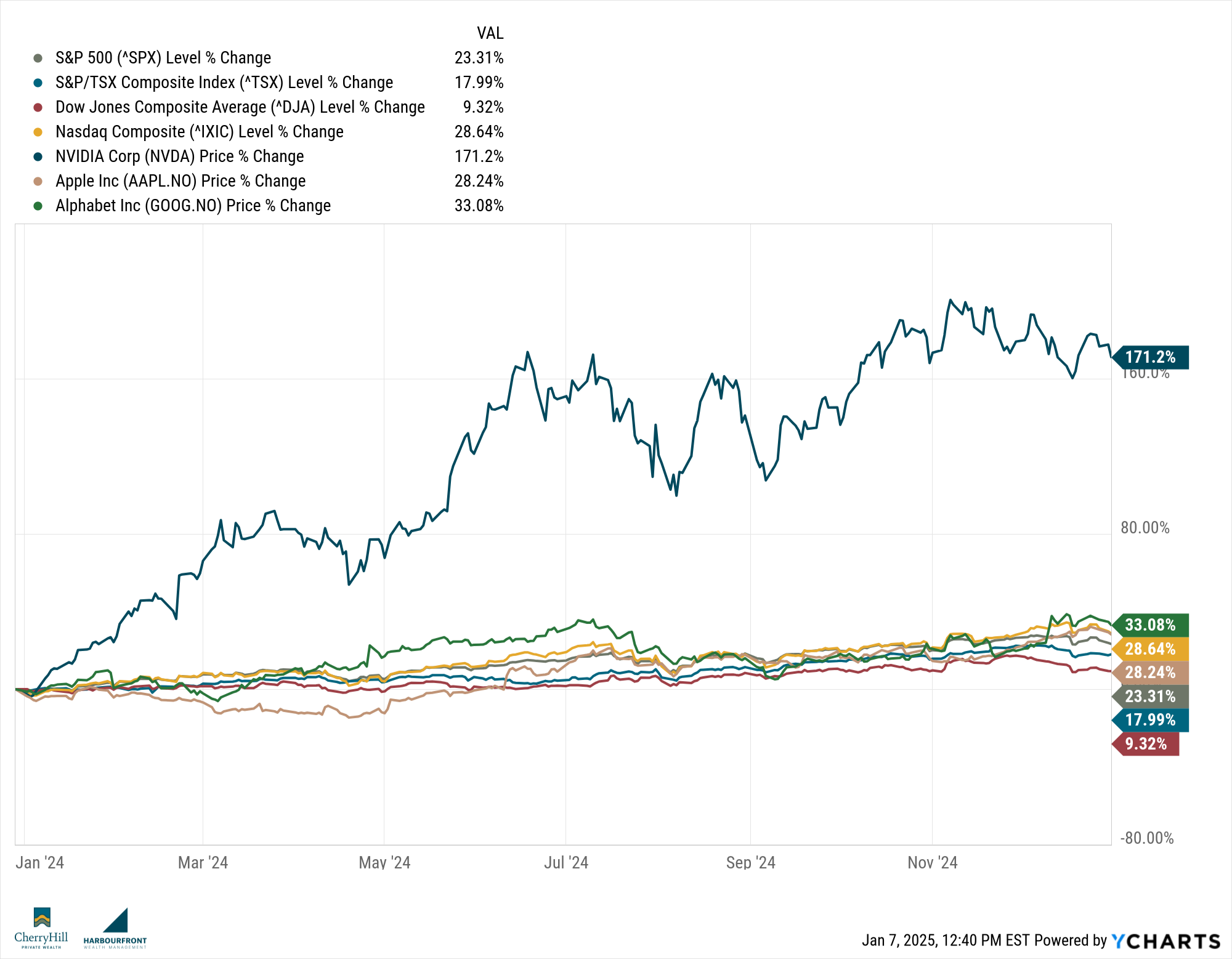
Despite initial forecasts of economic slowdown, equity markets demonstrated remarkable resilience. The S&P 500, contrary to bearish predictions, surged by approximately 30% over the year. This impressive performance was underpinned by the Federal Reserve’s adept management of inflation and a renewed investor optimism following the U.S. presidential election.
Mega-cap technology stocks continued to dominate, fuelled by advancements in artificial intelligence and increased productivity. However, the enthusiasm for these stocks faced tests, leading to a more nuanced market landscape.
Private Markets: Expansion and Evolution
Private equity continued to thrive in 2024, cementing its role as a cornerstone of institutional portfolios. Industry leaders like Blackstone and KKR showcased their ability to generate strong returns even amid heightened market volatility. Blackstone’s private equity assets under management grew significantly, driven by strategic acquisitions and the continued flow of institutional capital. In fact, as Blackstone CEO Stephen Schwarzman remarked, “Private equity remains one of the most effective tools for driving value creation in a rapidly evolving economy.”
The private credit market also sustained its remarkable growth trajectory, with assets under management nearing $2 trillion globally. As traditional banks pulled back from certain lending activities, private lenders stepped in to fill the void. Firms such as Cliffwater reported that direct lending strategies delivered strong, risk-adjusted returns, bolstering their appeal to investors searching for yield in a low-return environment. However, the sector faced intensifying competition as traditional banks began to reassert themselves in the lending space.
To maintain their edge, private credit players increasingly focused on bespoke solutions, including structured deals and hybrid financing, to cater to a diverse array of borrowers.
Despite these challenges, the resilience of private markets underscored their importance as a diversified component of institutional portfolios. As investors continue to seek alternatives to traditional equity and fixed income, private equity and credit remain pivotal for those aiming to navigate an ever-complex financial landscape.
Strategic Acquisitions and Industry Consolidation
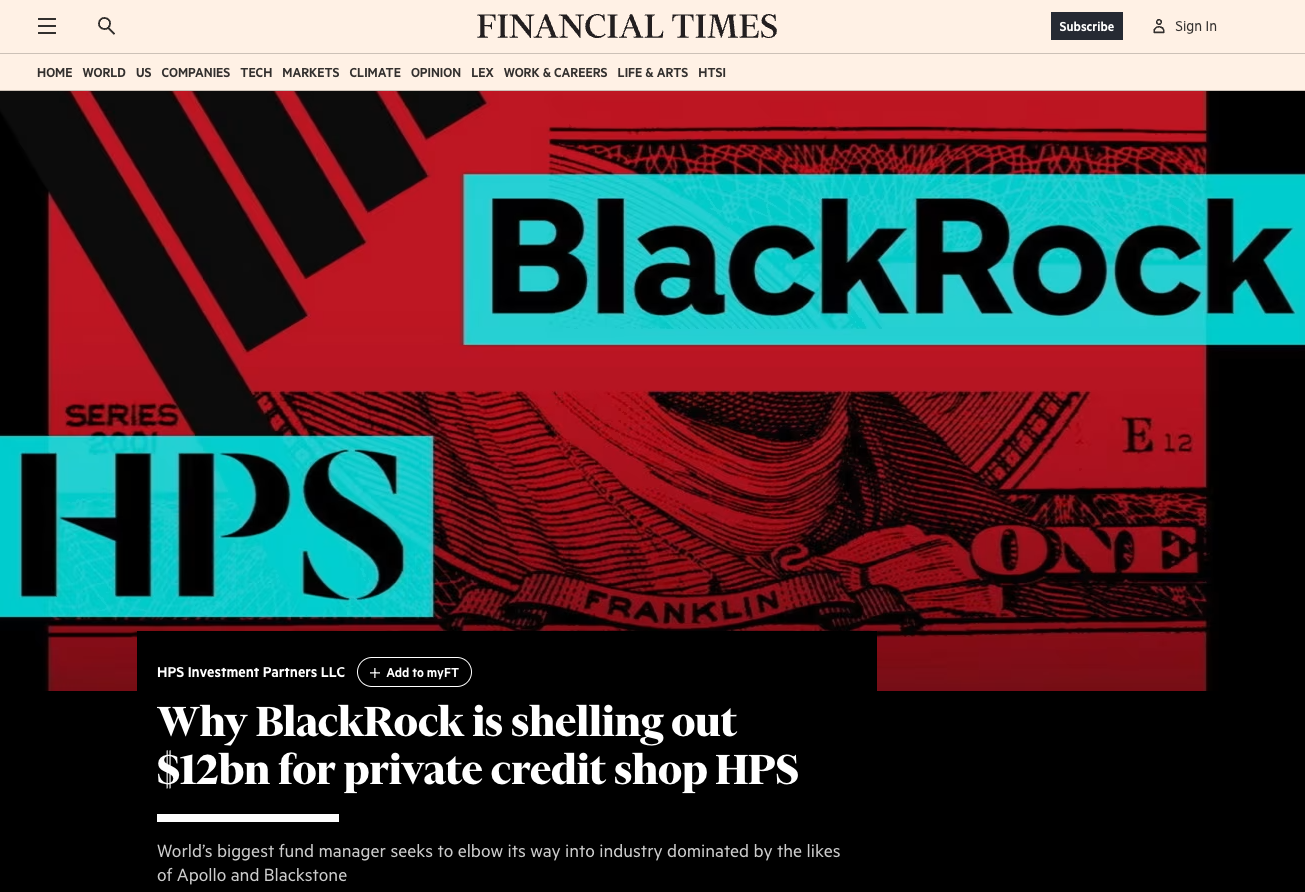
The year was marked by significant mergers and acquisitions, particularly in the asset management sector. BlackRock’s acquisition of HPS Investment Partners for $12 billion exemplified the industry’s move towards integrated solutions across public and private markets.
Such strategic consolidations underscore a broader trend of firms seeking to diversify offerings and enhance value propositions for clients.
Looking Ahead: Navigating Uncertainty with Diversification
As we transition into 2025, the financial landscape presents a blend of optimism and caution. The anticipated global monetary easing and modest economic growth suggest a favourable environment for investors. However, potential risks, including geopolitical tensions and policy shifts, warrant vigilant portfolio management.
Embracing a diversified investment strategy remains paramount. By balancing exposure across various asset classes and geographies, investors can better navigate the complexities of the evolving market dynamics.
2024 has been a testament to the resilience and adaptability of markets and investors alike. By staying informed and maintaining a strategic approach, we are well-positioned to capitalize on the opportunities that lie ahead in the coming year.
Market Minute
As we step into 2025, both U.S. and Canadian markets have exhibited notable activity. In the United States, the S&P 500 has maintained its upward trajectory, reflecting investor optimism surrounding advancements in artificial intelligence and anticipated fiscal policies under the new administration. Notably, Nvidia (NVDA) has reached an all-time high, driven by positive industry developments and strategic collaborations.
In Canada, the TSX Composite Index has experienced a 1.40% increase since the beginning of 2025, indicating a positive start to the year. This performance is underpinned by strength in sectors such as energy and financials, which continue to play a pivotal role in the Canadian economy.
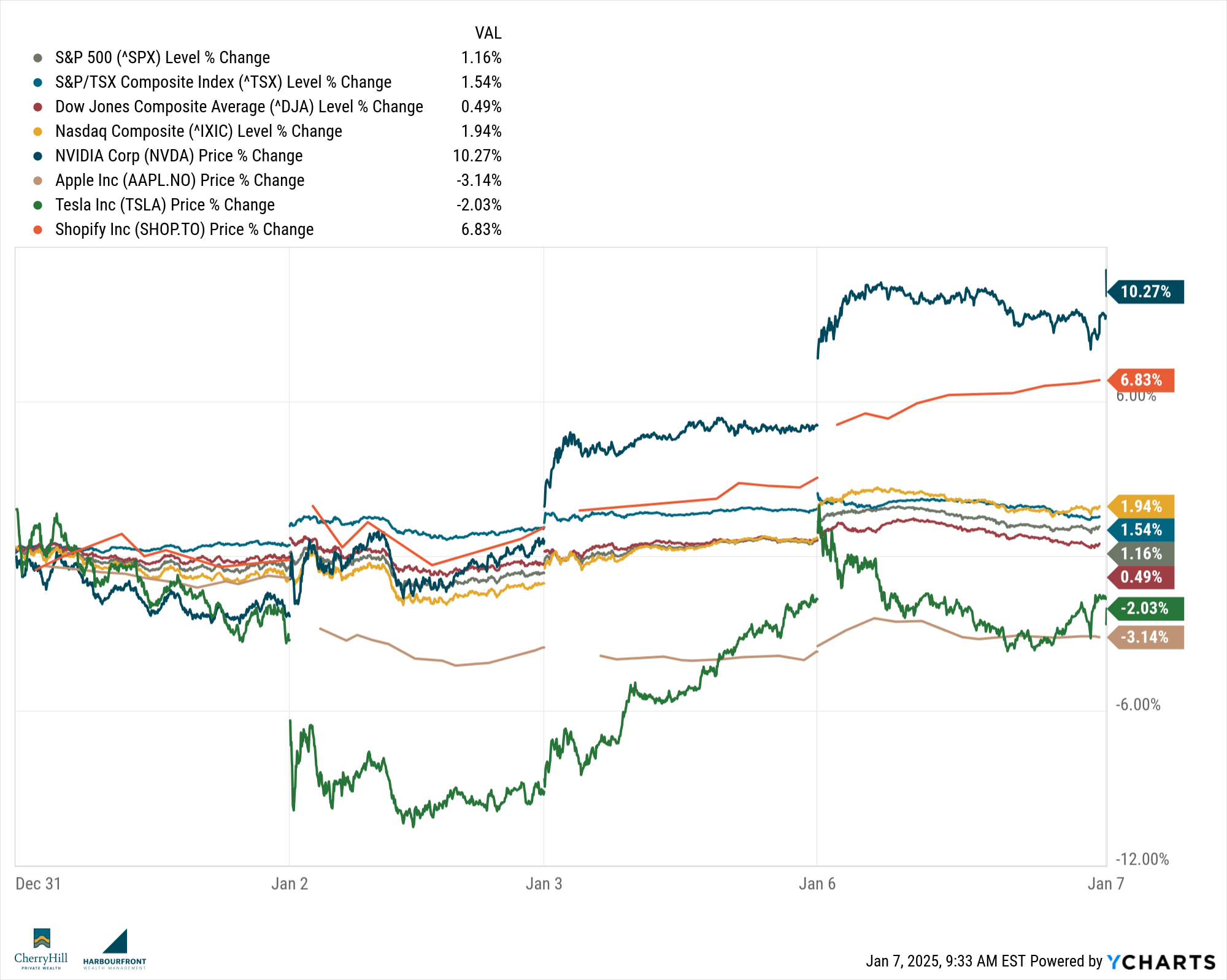
The fixed income landscape is also experiencing significant developments. U.S. companies have been active in the corporate bond markets, with 22 companies issuing new bonds in early January. This surge is driven by the desire to get ahead of potential rising Treasury yields following recent jobs data. Syndicate bankers anticipate nearly $65 billion could be raised this week, potentially reaching up to $200 billion by the end of the month.
In Canada, fixed income markets are expected to deliver stable performance in 2025, despite potential economic headwinds. Analysts anticipate that Canadian equities and fixed income will provide strong results, underscoring the resilience of the Canadian financial landscape.
As we progress through the year, it will be essential to monitor how these dynamics evolve, particularly in response to policy shifts and economic indicators. Staying informed and maintaining a diversified investment approach will be key to navigating the opportunities and challenges that 2025 presents.
Trends to Watch
- *Fixed Income Markets: *As just mentioned, U.S. companies have been active in the corporate bond markets. This could signal that corporations are expecting a tightening of monetary policies and potentially a reaccelerating of inflation.
- *Economic Indicators: *Investors are closely monitoring the upcoming U.S. jobs report, which is expected to show 150,000 new jobs and a 4.2% unemployment rate. This data will provide essential insights into market directionality amidst the transitioning trading volumes post-holiday period.
- Global Events: CES 2025 is underway, with significant announcements anticipated in AI, consumer electronics, and automotive technology. These developments are expected to influence market sentiment, particularly within the tech sector.
The Lighter Side
I am always interested in resolutions and what people are wanting to do to try and make their lives better. Resolutions almost always come from a place of feeling inadequate in an area - we don’t resolve to lose weight if we are comfortable with our weight.
Resolutions have largely stayed the same year-over-year, but there are some interesting new ones for 2025. Let’s have a look at what the top 5 New Year’s Resolutions are for this year.
- *Focus on Mental Health and Mindfulness: *In a post-pandemic world, prioritizing mental well-being, reducing stress, and embracing mindfulness are increasingly popular.
- *Adopt Sustainable Living: *Many are committing to eco-friendly habits, such as reducing waste, eating plant-based diets, or minimizing their carbon footprint.

- *Embrace Hybrid Work-Life Balance: *With flexible work becoming the norm, people are resolving to set better boundaries and balance professional and personal lives.
- Engage in Digital Detox: A growing awareness of screen time has led many to limit social media use and reclaim offline moments.
- Invest in Skills for AI and Tech Growth: With the rise of AI and automation, many are looking to future-proof their careers by learning relevant skills or tools.
What are some of the ways you’re looking to improve in 2025? Do you share any of these popular resolutions?
Until next time, stay informed and strategically invested!
Trevor