


Like a Fine Wine:
How to Pick the Right Vintage
I might be too ready for the Holiday Cheer to get started, so I apologize now for all the wine metaphors you’re about to read!
In today’s email:
- We have a look at the 2025 Private Markets and see what this vintage could hold.
- The Canadian peso dollar got beat up pretty bad last week, but athleisure is hot!
- The ski resorts are opening early across the country, so let’s take a look at what has changed over time.
- We sat down with our portfolio manager and discussed what the nest Trump presidency could mean for your portfolio.
The Scoop
Our CIO, Teresa Shutt, wrote a great article about what the expectations are for private markets in 2025 and used a lovely wine metaphor. Please check out her article for all the details on what we see ahead (find it here). I, however, decided to take her metaphor to a whole new level and give you a quick synopsis of what she had to say.
Private markets often feel like the fine wine of the investing world—requiring patience, expertise, and just the right conditions to produce something exceptional. According to Harbourfront Wealth’s Chief Investment Officer, 2025 might just shape up to be a “Golden Vintage” for private markets.
Here’s why:
Private Credit: Sure, declining interest rates mean lower floating-rate yields, but private credit still offers a unique advantage—a “bespoke” premium, if you will. Borrowers benefit from lower financing costs, which reduces default risk and strengthens portfolios. Think of it as trading your cheap boxed wine for a handcrafted vintage.

**Private Equity: **After being corked by high rates, private equity is back. Lower borrowing costs make it easier for companies to finance growth and acquisitions, potentially uncorking a wave of M&A activity. Better exits and higher valuations? Cheers to that.

**Private Real Estate: **If real estate’s your thing, falling rates could mean lower financing costs and higher valuations. With sectors like residential and industrial already riding demand trends, it’s like pairing the perfect wine with the right meal—everything just works.
While the conditions are promising, private markets aren’t a “set it and forget it” investment. Like winemaking, they require skill, strategy, and a long-term view.
If you’re wondering how to make 2025’s vintage work for your portfolio, let’s talk. After all, the best opportunities don’t always age well without the right guidance.

Market Minute
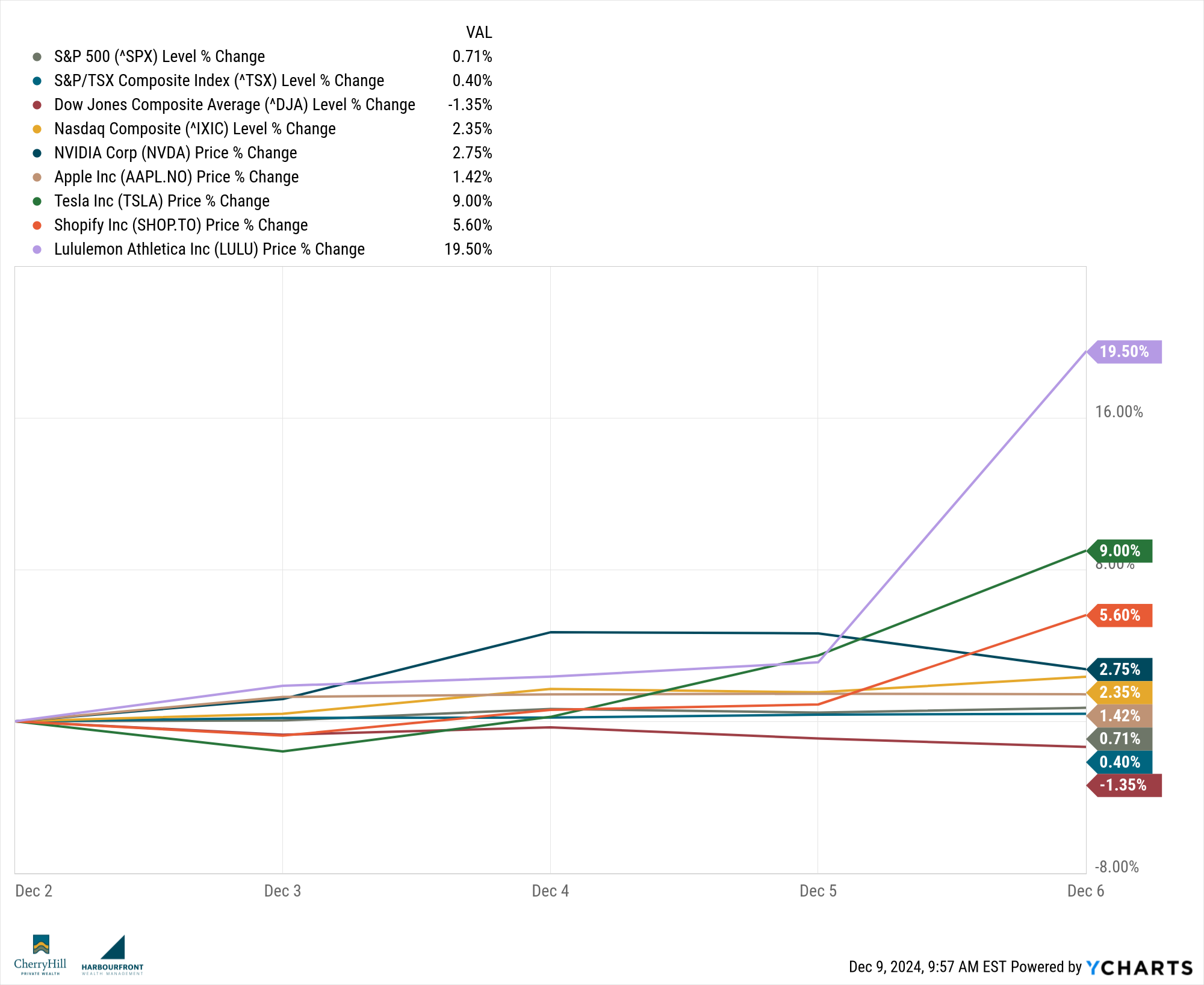
Last week, U.S. stock markets exhibited a mixed performance. The S&P 500 edged up by 0.71%, achieving a new all-time high and marking its third consecutive week of gains. In contrast, the Dow Jones Industrial Average dipped by 1.35%, while the Nasdaq Composite surged by 2.35% to reach record levels. Notably, Lululemon’s stock soared nearly 20% following robust quarterly earnings and an optimistic holiday forecast, exemplifying the positive momentum in the consumer discretionary sector.
In Canada, the S&P/TSX Composite Index experienced a modest increase, up 0.4% from the previous week. This uptick was supported by gains in the energy and information technology sectors, with the Energy Index rising by 1.997% and the Information Technology Index up by 1.782%.
On the fixed income front, U.S. Treasury yields were mixed. The 10-year Treasury yield decreased by 4 basis points over the week, primarily in response to employment data indicating stronger-than-expected hiring alongside a slight uptick in the unemployment rate. In Canada, bond yields also saw movement, with the 10-year yield declining, influenced by domestic economic indicators and global market trends.
Overall, the markets reflected a cautious optimism, balancing strong corporate earnings against economic data and geopolitical developments.
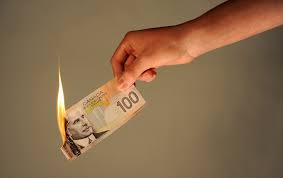
Last week, the Canadian dollar depreciated against the U.S. dollar, nearing levels not seen since April 2020. This decline was primarily driven by a rise in Canada’s unemployment rate to 6.8% in November, the highest since September 2021, excluding the pandemic period. The unexpected increase in unemployment intensified expectations for a significant interest rate cut by the Bank of Canada in its upcoming meeting. Additionally, the U.S. dollar’s continued strength, bolstered by robust economic data and geopolitical factors, exerted further downward pressure on the loonie. These developments underscore the Canadian dollar’s sensitivity to domestic economic indicators and global currency dynamics.
Trends to Watch
- U*.S. Stock Market Momentum*:
- The U.S. stock market continues its upward trajectory, with the S&P 500 achieving its 57th record high of the year last week. Analysts anticipate this rally to persist through year-end, driven by robust economic data and strong corporate earnings. However, caution is advised due to potential overvaluation in certain sectors.
- Sector Rotation and Speculative Investments:
- Investors are exhibiting a shift from speculative to highly speculative stocks, particularly in small-cap and crypto-related sectors. While this strategy has yielded short-term gains, experts warn of increased risks if market conditions shift.
- Earning Season Insights:
- The current earnings season has been positive, with companies like Oracle and Super Micro Computer reporting strong results, boosting investor confidence. However, declining earnings estimates for S&P 500 companies could pose challenges, especially if economic conditions deteriorate.
- Fixed Income Market Movements:
- n the fixed income arena, U.S. Treasury yields have experienced fluctuations, reflecting investor sentiment and economic data. Upcoming inflation reports and Federal Reserve decisions are expected to further influence bond markets.
The Lighter Side
My family loves the snow and over the past couple of winters have spent a lot more time skiing as a family. With mountains starting to open across the country, let’s take a look at what has changed over time.
Skiing has come a long way since the days of wooden skis, neon snowsuits, and questionable après-ski fashion choices. Here are a few ways the ski industry has evolved—some for the better, some for the… let’s just say, different:
- Lift Lines Then vs. NowThen: Lift lines were a social gathering—friends catching up while standing in a 30-minute queue.Now: You need an app, GPS tracking, and a strategic plan like you’re storming a fortress just to beat the weekend crowd.

- Gear EvolutionThen: Skis were as straight as an arrow and as long as a bus. You needed a second mortgage to buy them.Now: Skis are shorter, wider, and smarter—but still require a second mortgage. At least they make turning feel like cheating!
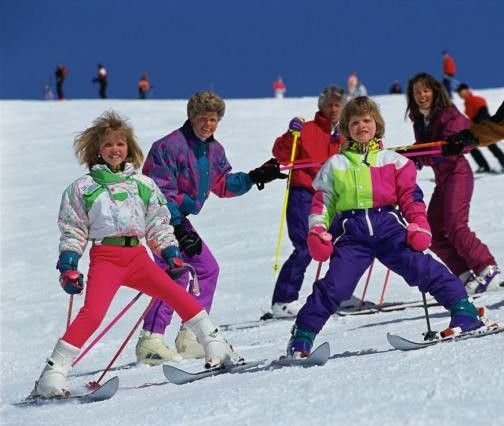
- Fashion StatementsThen: Neon was mandatory. The brighter, the better. Bonus points if you had a fanny pack filled with granola bars.Now: Earth tones, technical fabrics, and gear that costs more than your car—though retro neon seems to be making a stylish comeback.
- Après-Ski Culture
Then: A $2 hot chocolate in a Styrofoam cup was the pinnacle of luxury.
Now: Artisanal espresso, craft brews, and “elevated” poutine that costs more than your lift ticket ar

- The Learning Curve
Then: Your ski lesson involved being pushed down a hill with a “You’ll figure it out!”
Now: Lessons come with certified instructors, video analysis, and personalized tips—but somehow, falling still feels the same.
Whether you’re chasing powder, carving groomers, or just there for the après-ski charcuterie board, skiing has definitely evolved—but the thrill of the mountain will always be timeless!
The CHPW Team
Last week we talked to our Portfolio Manager, Sylvanna Asia, about what the financial world will look like with Trump 2.0. We ask her about everything from tariffs to the Canadian dollar, but most importantly we figure out how it will affect your investments. Listen to the conversation here.
If you have found this valuable, please pass it along to your friend or family member that would benefit from an unbiased take on what’s happening in the markets and how it actually affects their family.
Until next time, stay informed and strategically invested!
Trevor