


How Good is Your Data?
A great week for the markets as we near the end of summer! This week’s newsletter is packed - let’s dive in!
In today’s email:
- The Feds and Bank of Canada rely heavily on employment data to make their interest rate decisions, but is this data any good?
- We just had the best week in the markets for 2024, what were the drivers?
- Fall is almost here, which means turnip carving?
- There are new diets almost every week, but according to our dietician, there’s one thing that most of us aren’t getting nearly enough of.
The Scoop
As we head into another quarter of market updates and economic forecasts, one topic remains at the forefront of policy discussions: US economic data. Recently, the strength of the US economy has been touted in media reports, particularly highlighting robust job numbers, wage growth, and consumer spending. But are these numbers as solid as they appear?
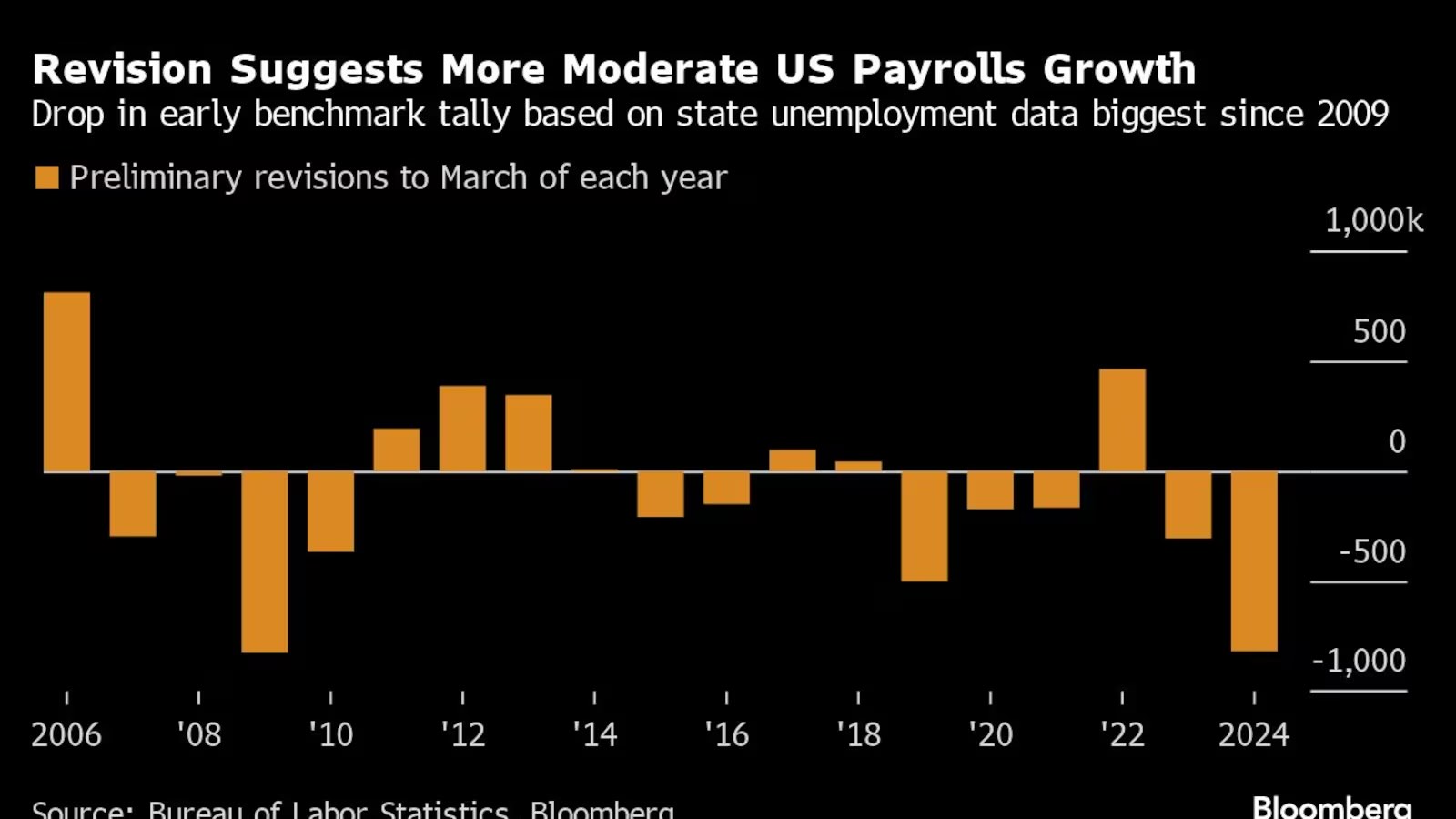
What we’ve seen over the past few years is that employment data, in particular, tends to be adjusted downwards after initial reports. While it’s not uncommon for data to be revised as more complete information becomes available, the consistency of these downward revisions raises a larger question about the quality of the data being used to shape fiscal and monetary policies.
For example, each month, the US Bureau of Labor Statistics releases its jobs report, a critical piece of data that the Federal Reserve uses to gauge the strength of the economy. However, over the past year, many of these reports have been revised down. Initial announcements of “strong job gains” are later recalibrated to more modest growth or even declines. These discrepancies can have far-reaching consequences.
The Role of Employment Data in Policy
The Federal Reserve bases many of its decisions on this employment data. If job growth appears strong, the Fed is more likely to maintain or even raise interest rates to curb inflation. On the flip side, weaker employment data might prompt rate cuts or other economic stimulus efforts. But what happens when the data is misleading?
This is where the challenge arises for policymakers. When employment figures are consistently adjusted downwards, it suggests that the economy isn’t quite as resilient as it appears at first glance. This lag in accurate reporting can result in a delayed or inappropriate policy response. For example, if the Fed is working off inflated employment data, it may hold off on needed rate cuts, which could exacerbate slowdowns in other parts of the economy like housing and business investment.
How Bad Has it Been?
It really hasn’t been good recently, which adds a layer of complexity when interest rate reductions are so reliant on this data. According to the Bureau of Labor Statistics (BLS), job growth from April 2023 to March 2024 was overestimated by 818,000 jobs.
For specific months, for example, June 2024’s job gain was revised down from 179,000 to 118,000, and July 2024 was similarly reduced from 114,000 to 89,000 . These consistent downward revisions raise concerns about the accuracy of initial employment reports, which play a critical role in shaping Federal Reserve policy.
The Danger of Misreading the Economy
For investors and consumers alike, these constant revisions can create confusion. If employment data is revised downward after significant time has passed, decisions made based on that initial report—whether by businesses expanding, consumers purchasing, or investors allocating capital—may end up being suboptimal.
This also raises the question: why are revisions so frequently downward? The answer may lie in the complexity of gathering accurate real-time data across millions of employers and industries. However, the Federal Reserve, reliant on this data for making informed policy decisions, faces increasing pressure to understand the real health of the economy despite flawed inputs. As new data comes, you would expect some revisions, but it is quite interesting that all the recent adjustments have been downward.
What Does This Mean for Investors?
For investors, it’s crucial to take these initial employment figures with a grain of caution. While they provide an essential snapshot of the economy’s direction, the real story may only unfold after revisions—often well after investment decisions have already been made. This puts an even greater emphasis on staying diversified and not overreacting to any single piece of economic news.
As always, if you have any questions about how these economic shifts may impact your investments or would like to discuss further, please feel free to reach out. Staying informed and planning ahead will be key as we navigate these unpredictable waters.
Market Minute
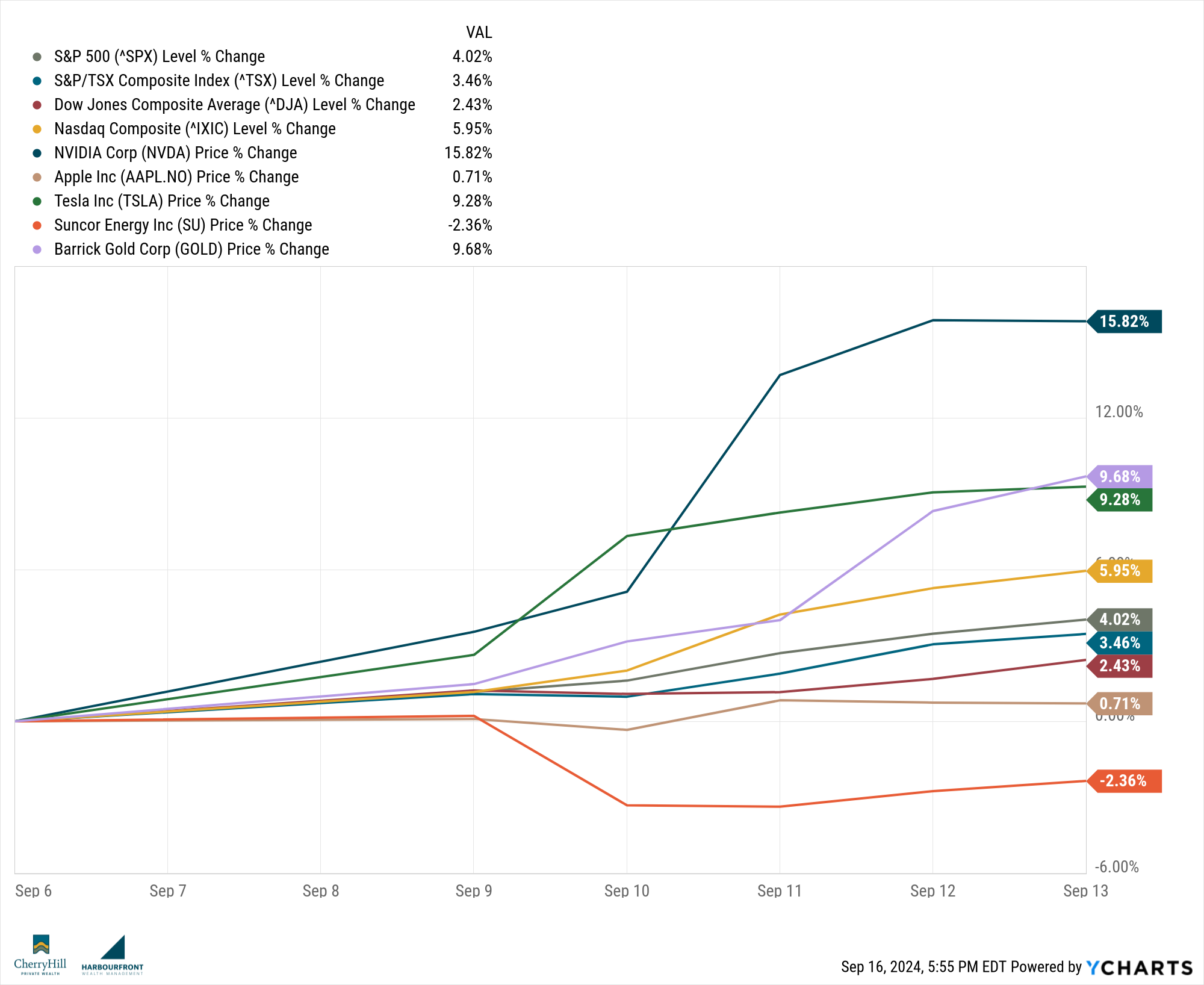
If you checked out our monthly commentary (here), you might have noticed that we made some changes to our Watermark Portfolios. After the summer sell-offs we moved to an overweight position in many of equity positions. This paid off last week as the major US indices had their best week of 2024.
Here’s what happened:
- **US Stock Market Rally: **The best week of 2024 helped recover a dip earlier in the month as investors speculated on upcoming Federal Reserve interest rate cuts. The S&P 500 was up over 4% and the Nasdaq saw an increase of almost 6%.
- Gold Prices Soar: Gold also saw a major surge, reaching record highs of $2,570 per ounce. This was fuelled by expectations of interest rate cuts and a cooling economy.
- **Tech Stocks: **Nvidia, Microsoft, and Alphabet saw significant stock price increases. Nvidia, in particular, benefited from continued investor confidence in its leadership in AI and semiconductor technology.
Trends to Watch
- **Federal Reserve Rate Decision (Sept 18): **The most anticipated event of the week is the Fed’s decision on interest rates, with a potential 25-basis-point rate cut expected. This would bring the federal funds rate to 5.0%. The decision will heavily influence market sentiment, especially in the bond and equity markets. Mortgage rates are also expected to react, with further declines possible if the cut materializes.
- **Retail Sales Data (Sept 17): **Retail sales data will provide insights into consumer spending trends and the health of the U.S. economy. A forecast of 0.9% growth is expected for August. This data will give clues about inflationary pressures and could influence future Fed decisions.
- CPI Data (Sept 18): Consumer Price Index (CPI) data is scheduled for release, with markets watching closely to gauge inflation trends. Lower-than-expected inflation could reinforce the case for a rate cut.
The Lighter Side
This weekend we’re officially transitioning from summer to autumn. One of the most Googled questions this week was about changing the clocks back, but don’t worry - we still have a few weeks left! Clocks officially go back on November 3.
Here are a few interesting facts about the start of autumn that you definitely need to know!
- **Leaves Don’t Change Colours: ** You might think the colours are changing (like what you see in my picture of Dundas Peak), but they don’t actually “turn” red, orange, and yellow. The green pigment in leaves, chlorophyll, fades away due to reduced sunlight, revealing the vibrant colours that were already there.

- Pumpkins Weren’t the Original Jack-o’-Lanterns: The tradition of carving Jack-o’-Lanterns originated in Ireland, but the original vegetables used were turnips or beets.
- **Autumn Increases Your Appetite: **There’s a scientific reason for feeling hungrier as the temperatures cool. During the fall our bodies prepare for the colder months by craving heartier, high-calorie foods. This is a biological instinct from our ancestors to store fat for the winter.
So, let’s embrace fall by carving a turnip and enjoying some delicious stews!
The CHPW Team
We had so many questions about healthy eating for Michelle this week. Michelle is a dietician and professor at the Northern School of Medicine, so you know she’s dialled into what we should be putting in our bodies.
We ask about Ozempic and what we should be doing to stay healthier longer. It all kept coming back to one thing that Adrian and I are lacking in our diets and you likely are as well. For all the tips on what you should and shouldn’t be doing, listen or watch it here!
Until next week, happy investing!
Trevor