


Markets are a Mess - What are the Alternatives?
I had written this newsletter last week, but with events that happened yesterday, with the market sell off, the topic is even more relevant. I have included an in-depth look at what happened in major markets last week, but have also included some commentary on the sell-off from yesterday.
We at Cherry Hill Private Wealth always have a focus on downside protection and making sure that when events like yesterday happen that you are protected. As we get more updates over the coming days we will continue to pass along information.
In today’s email:
- Are the ultra wealthy and pension funds losing money in this downward market trend?
- The sell-off continued into this week, but what is happening next?
- The August long weekend brings the outdoorsman to us, what are people doing this long weekend?
- Floods, Fires - do you have the right protection with your home insurance?
The Scoop
**Stocks, bonds, mutual funds, ETFs. **
For the most part when we hear these terms, we understand what they are. There’s a sense of solace in knowing that when we purchase a stock that we are buying a part of a company, and when we buy a bond, we are loaning money to a corporation or government. ETFs and mutual funds are a collection of stocks and/or bonds that follow very laid out rules.
“Alternatives” on the other hand - what the heck are those?!?
Essentially the term Alternatives has come to mean everything but those bank-friendly products. Alternatives are way too complex and wide spanning to fully cover in a newsletter and I’m sure would cause most eyes to glaze over. If you’re really interested in diving into this further, anyone on our team would be happy to chat further or I have some great reading or podcast recommendations that I’d be happy to share.
When it comes to retail investors (that’s you and me), we typically only have access to the basic investment vehicles. You can’t walk into RBC or IG office, for example, and get access to more sophisticated investments. These are usually behind the “accredited investor” firewall. If you happen to be wealthy enough to be an accredited investor, then you’re advisor has likely spoken to you about these products before - and if not, they should have. Family offices (typically working with clients who have $100M or more), endowments (Yale, Harvard, etc), and major pensions (OMERS, CPP, etc) all have Alternatives in their portfolios.
So why should you care? And what they heck are they really?
Great questions! There are advisors and platforms that can access alternatives even if you’re not an accredited investor, so you should know what you’re options are. Investments like Mortgage Investment Trusts (MICs), Real Estate Investment Trusts (REITs), Commodities (gold, silver, etc), and Systematic Market Insurance are all types of alternatives that could be important parts of your portfolio. Alternative investments attempt to offer diversification beyond a regular stock and bond portfolio to reduce downside market risk - thus making sure that if the markets go down, you don’t feel the full brunt of it!
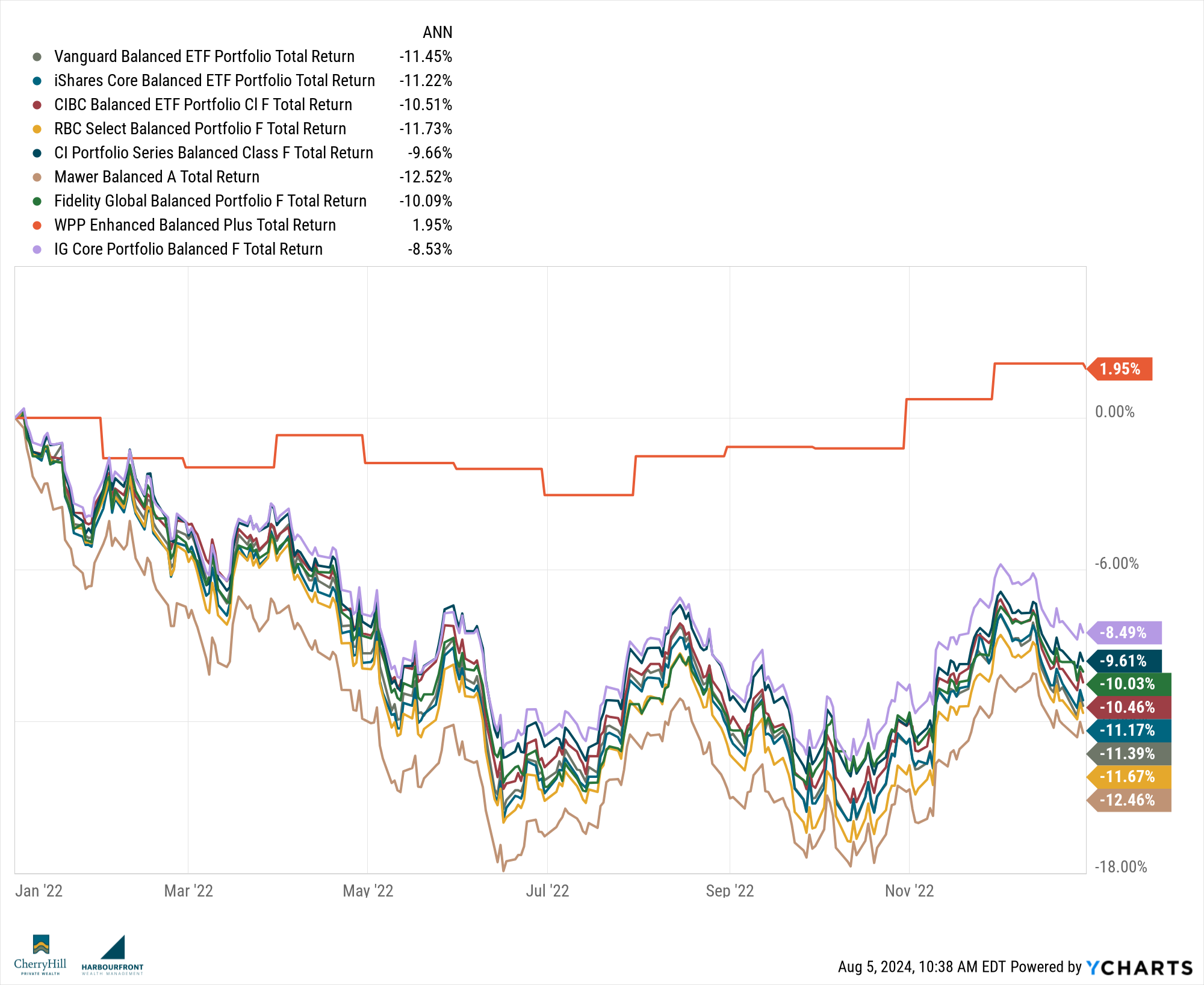
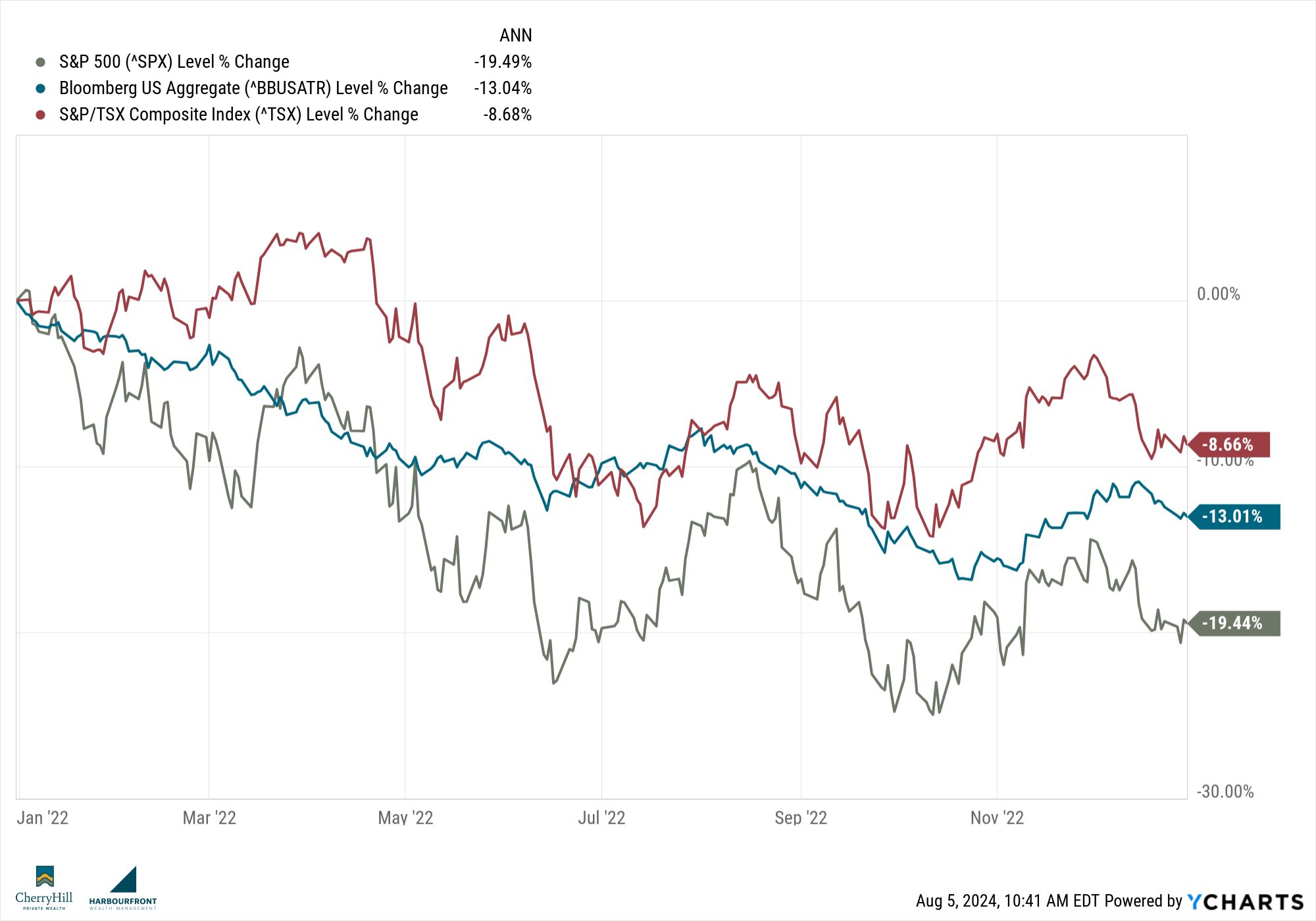
Stocks and bonds are theoretically supposed to move independently of each other, with bonds helping stabilize portfolios in a down market. But as we say in 2022, this is not always the case, and with interest rates still very low when we look back historically, this will likely repeat itself in future market downturns.
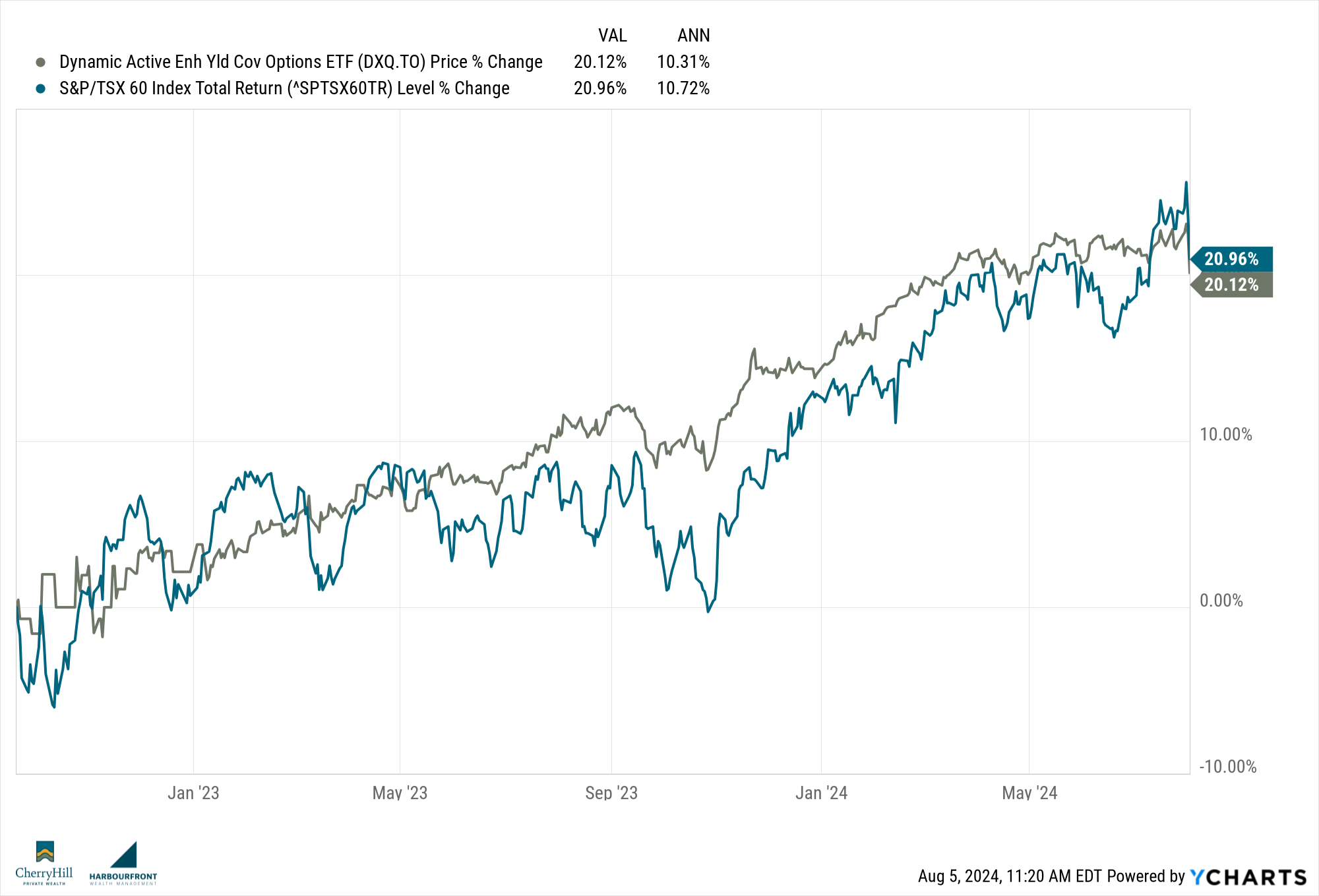
Strategies like Systematic Market Insurance are designed to protect against systematic risk, which is inherent to the entire market or market segment. We have seen markets move more and more in sync the past couple decades, with less emphasis placed on individual companies. We talk about how “the Tech Sector” is doing, or what the S&P 500 did. Market risk cannot be eliminated through diversification because it affects the entire market. Systematic risk can arise from broad economic factors such as recessions, interest rate changes, and geopolitical conditions (all of which we’re dealing with in various degrees right now). I spoke briefly a month ago about a particular fund that was interesting that enacts this strategy. The Dynamic Active Enhanced Yield Covered Options ETFessentially purchases an investment, but also purchases insurance on this investment. If the investment declines by a certain amount, it doesn’t lose, if it increases it “wins”.
How Do Privates Fit In?
As portfolio managers who manage major pensions and family offices look at times of uncertainty, they make sure to have private assets in their portfolio. Investments that include Private Credit and Private Equity typically have a longer view and are not as influenced by widespread sell-offs. With these assets having timelines of 5 or more years, the investors don’t panic when recessions or geopolitical factors arise.
Having a diversified portfolio used to mean having a balance of stocks and bonds. It eventually evolved to insuring that you had investments around the globe and in different sectors. In today’s world, the world’s wealthiest investors are diversifying further, looking to “Alternatives” to protect their investments, while still achieving long-term targets.
Market Minute
Last week we continued to see a shift from tech companies and are seeing a systematic sell off across geography and sectors.
In Canada, we have essentially been in a per-capita recession for almost eight quarters. The only thing keeping us out of an “official” recession is the large number of immigrants we’ve been welcoming to the country.
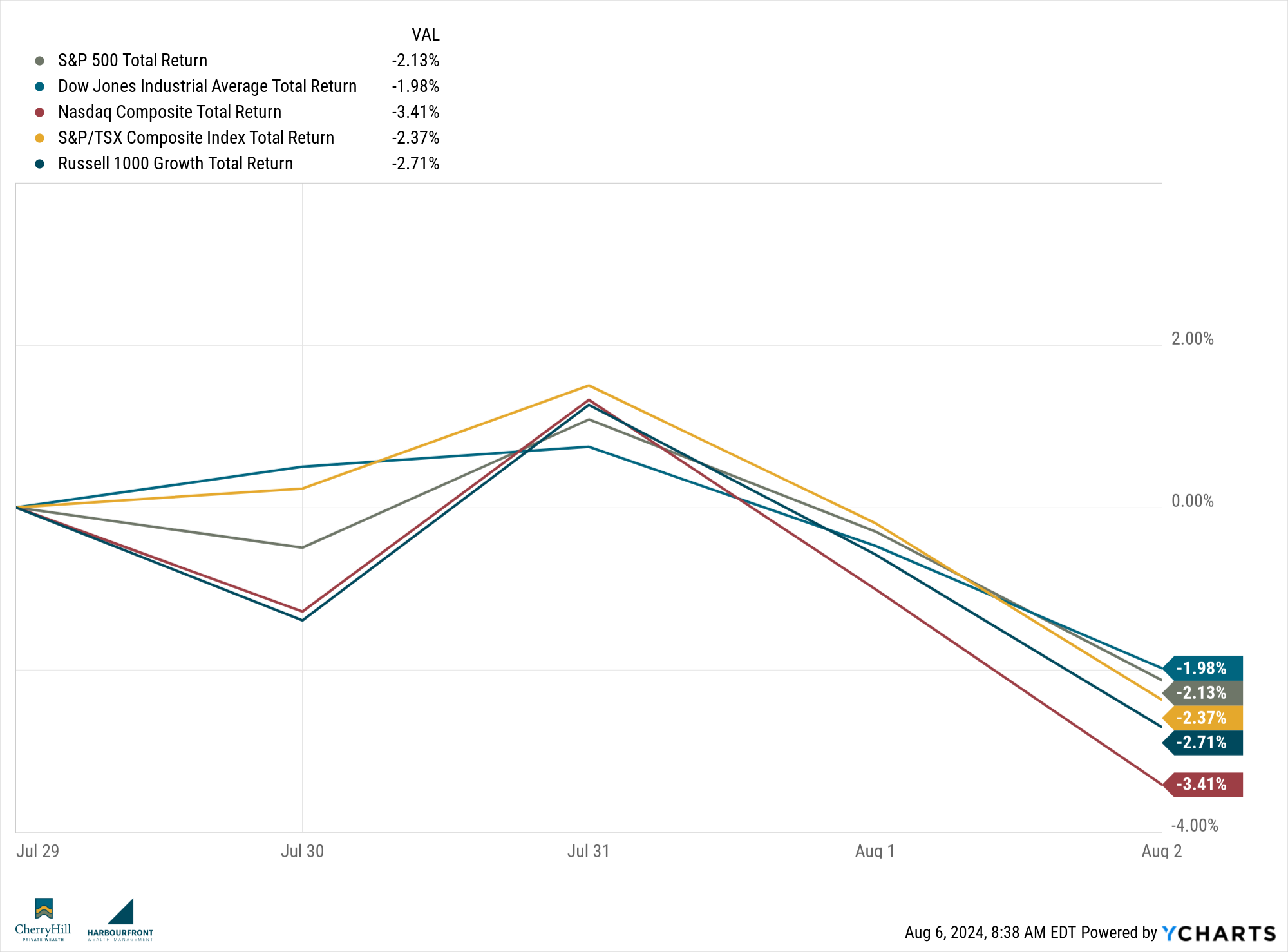
While Canada was enjoying a holiday Monday, the rest of the world’s markets were in a sell-off. Here’s a quick recap of what we missed.
Early in the day, Berkshire Hathaway halved its stake in Apple, which suggests that one of the most prolific investors is concerned about how high market valuations have gotten in recent months. Reports also surfaced that Nvidia would be seeing delays in its ground-breaking chips due to design flaws. In fact, the “Magnificent Seven” was estimated to lose a combined $1 trillion in market value yesterday according to Reuters.
Much of this turmoil came on the heels of concerns of a weakening labour market, with nonfarm payrolls falling well short of expectations and a rise in the unemployment rate to 4.3% in the US. This, along with the underwhelming earnings reports from some major companies has heightened the fear of an economic slowdown.
Trends to Watch
- Central Bank Policies: This continues to be a main focus for investors. Recent sentiment has changed, with 88% now believing that a 50 bps reduction could come in September from the Feds. This is up from just 11% last week.
- Earnings Reports: The on-going earnings season remains crucial. We are seeing several companies with earnings lower than expected. Walt Disney and Eli Lilly are scheduled to report and this could further impact market sentiment.
- Economic Data Releases: An increased scrutiny on the weekly unemployment claims as well as a focus on the ISM Services Index (which is a survey to attempt to determine the economic health and performance of service companies). These data points will provide further insight into the state of the economy and potential Fed actions in September.
The Lighter Side
The Civic long weekend is known by different names througout the country, depending on which province you live in. We have Heritage Day in Alberta, British Columbia day in… well, BC, and Terry Fox day in Manitoba. If we were going to come together for a unified name, I would vote for “Terry Fox Day”.
Canadians take advantage of what is usually good weather and get outside and go camping during this long weekend. The most popular Google searches leading up to the August long weekend are questions like, “what should I bring camping?”
Alberta, this year, was all about the “staycation”, while BC saw a ton of interest in “adventure camping”. In Ontario, LCBO and Beer Store hours topped the list of searches, although checking out festivals was pretty high as well.

The CHPW Team
These past few weeks have been particularly tough on Canadians. We have seen record heat in many parts of the country, floods in the GTA, fires in BC and Alberta.
We had the opportunity to sit down with home insurance expert, Sam Pietras to discuss what we should be doing in situations like this. It’s loaded with insights into what we should be doing, what we really shouldn’t be doing, as well as some behind the curtain details on where home insurance is going with regards to the increasing natural disasters we’re facing. Check it out here!
Until next week, happy investing!
Trevor