

Brand Loyalty:
Why do we stick to the familiar?
Hope you’re staying cool, !
It’s a hot one!
I hope you’re enjoying your summer and finding time to relax and recharge. Today, I want to dive into a topic that impacts us more than we often realize: brand loyalty.
The Brands We Trust
The brands we choose to work with and purchase from, do they say something about us? We’ve seen brand loyalty reach new heights as companies like Apple create a brand that has millions choosing their products because of the name on the label. Why do we choose companies like Apple over Samsung or Google? Does Lululemon make better quality products than its countless competitors, or is it the feeling you get from being part of the “club”?
According to Investopedia, brand loyalty is tied deeply to a psychological disposition, “as a customer may intentionally forego a logical choice in favor of supporting their preferred brand.”
The Comfort of Familiarity
When it comes to the shoes you wear or the phone you choose, foregoing a “logical choice” to support a brand that makes you feel good seems acceptable. But what happens when this brand loyalty leaks into your politics or family’s finances? In the US, we see the political side more than we do in Canada, but choosing our leaders based on the colour of their logo doesn’t seem to make much sense.
When it comes to what you do with your money, why do you deal with that bank? Is your money safer there, do they offer you better advice, or customer service than the alternatives? Do they know your name when you walk through the door? In Canada, we are extremely loyal to our banks, with most of us choosing to work with the same bank our parents did and never looking for alternatives.
Looking at the low customer satisfaction, it’s no wonder that there is a growing number of Canadians that are willing to switch banks in the next 6 months. This, usually sticky institution, is seeing more than 1/4 of all customers ready to make a move.
Breaking the Cycle
It was from a conversation I was having with my mother, who, for those of you that don’t know, runs an accounting firm with my father, that led me to think about brand loyalty. She was discussing a situation where a client of hers continues to have major issues with the bank they deal with but continues to deal with them regardless. Their reason for putting up with subpar service and results? It was where they had always banked and where their parents had banked. I have encountered this a few times in my career, where I hear people complain about how their investments underperformed or lost 10-20% in a bad year but continue to work with the company that has limited options—all for a big, faceless brand.
A Broader Perspective
I’m interested in hearing what brands you are extremely loyal to and which ones you have been in a relationship with way too long but can’t leave. I have a couple of mountain bike brands that seem to fill up my drawers, and I wear them with pride while out riding. On the flip side, the company I was using for my cell phone kept making mistakes on their billing, and it took me way too long to say goodbye!
The Way Forward
It’s time to reassess and rethink our choices. With financial decisions, sticking to what’s comfortable can sometimes mean missing out on better opportunities. There are more options than ever before, and sometimes stepping out of that comfort zone can lead to better returns and a more secure financial future.
Let’s break the cycle of brand loyalty when it comes to our money. Evaluate the options, ask the tough questions, and don’t be afraid to make a change if it means a better outcome for you and your finances.
Until next week, Happy Investing!
Trevor
Our second podcast was released last week with our new teammate, Ashley Morais, CFP. She discusses what prompted her to leave the bank and join CHPW. You can check it out here!
In Lighter News:
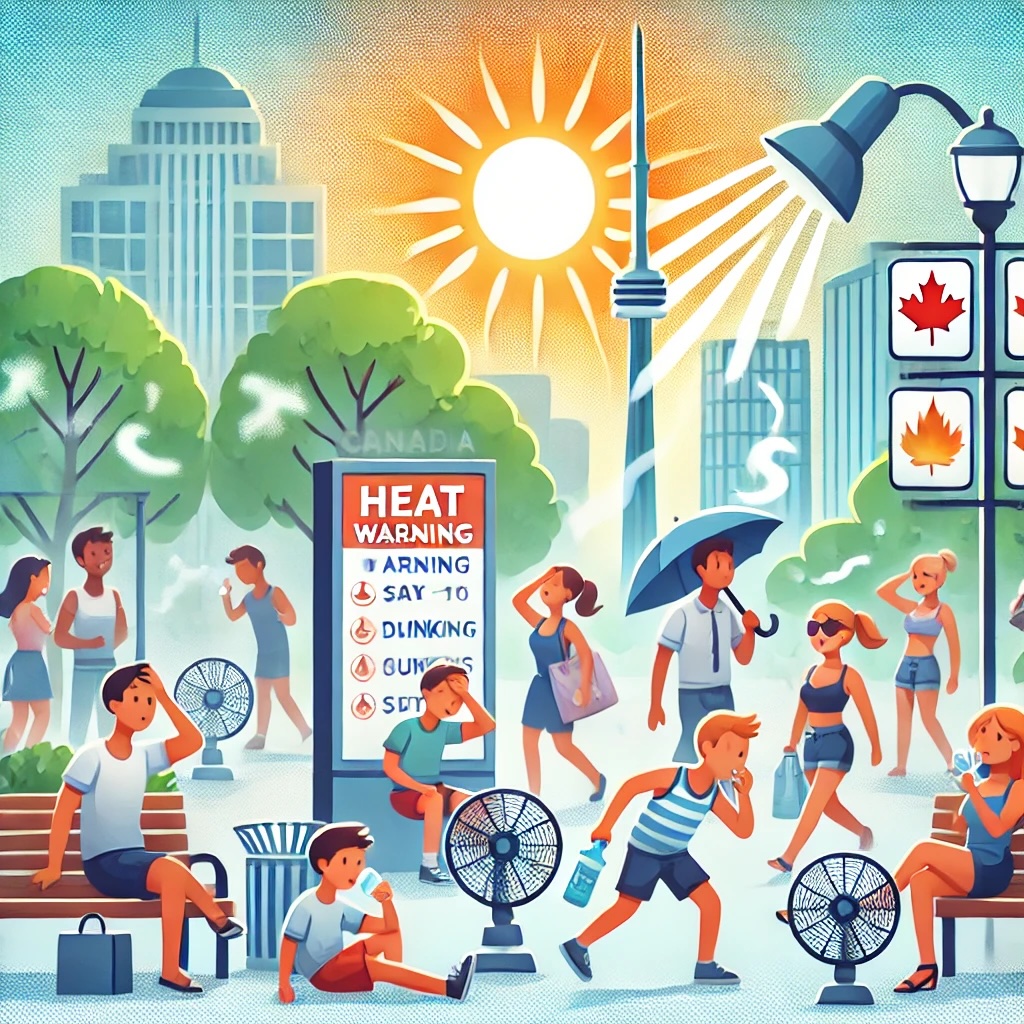
A new trend is continuing across Canada this year with new heat records being broken across the country. Last year I was doing the most intense bike race of my life when the world temperatures reached new heights, but that trend is continuing this year. In the first week of July heat warnings were issued in 6 provinces and 2 territories. Nakusp, in BC, reached 37.2 degrees, breaking its previous records.
In The Markets:
For the full market commentary, check it out here.
Market HighlightsThe financial landscape in the second quarter of 2024 displayed a mix of quarterly performances; the S&P 500 (in CAD) logged a +5.34% quarterly gain, while the S&P/TSX Composite had a volatile quarter and fell 0.53%. Meanwhile, the bond index showed a slight uptick of +0.86% during the quarter due to slight decline in interest rates.
Major Themes and Events in Q2 2024
- The start of interest rate cuts for some major central banks: In Canada and Europe, the cooling of their economies and easing of inflation closer towards target levels had both central banks introduce their first rate cut since March 2020 and Feb 2016, respectively. In the US, the US Federal Reserve maintained their policy rate at 5.25%-5.5%. However, market participants expect the US’ interest rate cut to begin in September 2024.
- Buybacks & robust estimated earnings growth: Large buybacks have helped lift stock prices as companies increased shareholder value by reducing the number of shares outstanding and returning profits to remaining investors. In addition, FactSet released a report indicating an estimated earnings growth YoY for Q2 2024 to be 8.8%, the largest YoY earnings growth rate in more than two years.
- Poor market breadth: For Q2 2024, US large cap companies, as represented by the S&P 500, finished positive and continues to be concentrated, and led by technology stocks, specifically the Magnificent 7 (NVIDIA, Meta, Tesla, Apple, Amazon, Netflix, and Google). Although the S&P 500 finished higher, there was poor market breadth as roughly 300 companies within the Index ended lower during the quarter. In addition, US value stocks, US mid cap and US small cap companies all were negative over the quarter, again highlighting that other sectors in the US have not been performing well.
Economic Indicators
The US started off with strong economic figures in April and a higher-than-expected inflation print. However, labour market conditions, consumer spending, and inflation gauges have waned in May and June, adding to the possibility of a rate cut. Despite the start of rate cuts by the Bank of Canada and the European Central Bank, they re-iterated they will continue to monitor economic activity and continue to look for easing in inflation pressures before enacting further rate cuts. Outside of North America, China’s economic recovery has improved but continues to be rocky.
Portfolio Positioning
In Q2 2024, we highlighted that the S&P 500 held key technical levels and companies reported strong Q1 earnings and buybacks; therefore, we reduced our public fixed income exposure and increased our overall exposure to public equities, specifically US large cap companies. We continue to hold the view that the US equity market is slightly overvalued and similar risks are still at play: persistent inflation, geopolitical tensions causing demand and supply disruptions, and an inverted yield curve (where shorter-term interest rates exceed longer-term interest rates, resulting in decreased borrowing, which has often led to recession). We continue to monitor the equity markets for signs of exhaustion, should continued deterioration in market breadth persist, we would not be surprised to see a pull-back in the S&P 500 in the short-term as stock prices of the mega tech companies should correct. Our investment strategy remains focused on long-term value creation through risk management, diversification, and identifying growth opportunities when applicable. We continue to maintain diversified portfolios that can weather market fluctuations while capturing upside potential by investing into high quality investments at reasonable or cheap valuations.
Written by Paul Georgeopoulos, Portfolio Analyst, Managed Accounts Program