
Happy Father’s Day!
Hi, !
Happy Father’s Day to all the dads out there!
This past week has been a busy one for the team at Cherry Hill. We said goodbye to a longtime employee but were able to welcome two new team members to our fold. The success that Ashley and Christine are having in sharing our story re-emphasizes how unique and needed our work is in the industry.

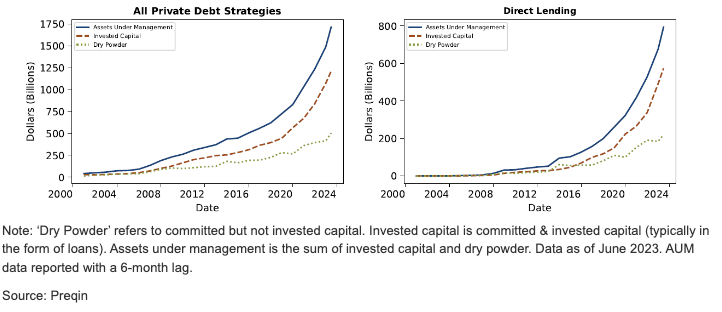
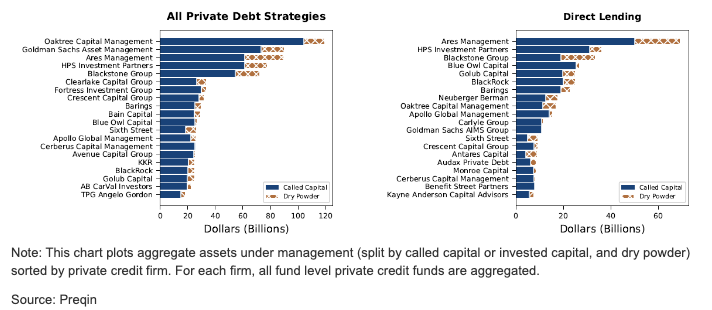
Adding to our conviction, a recent Bloomberg article highlighted a significant trend: big U.S. banks are finally recognizing that diversifying portfolios beyond the traditional equity/bond mix is the best way to achieve great returns while mitigating downside risks. In recent months, banks like Goldman Sachs, Citigroup, and Wells Fargo have invested more than $50 billion in private credit. Of course, we at Harbourfront have been ahead of the curve on this for years.
Daniel Pinto, JP Morgan’s president and COO, said, “We can’t ignore [private credit]. We really need to embrace it.” As many U.S. companies try to catch up, we can rest easy knowing we’re already well-positioned. The Canadian banks are a little behind (as usual), but they’ll eventually catch on.
Meanwhile, Canadian banks are grappling with a “shocking number” of severe mortgage delinquencies, as noted by an Equifax VP of advanced analytics. For the first time in history, Ontario mortgage delinquencies have reached $1 billion, double the pre-pandemic levels. We’ve been anticipating this, and now it’s unfolding as predicted. The recent BoC interest rate cut is too small and too late to significantly impact the emerging issues.
Private credit largely shields itself from these defaults through several risk mitigation techniques. It’s not 100% immune, but it has advantages traditional lending lacks. For one, private credit has more flexibility in structuring debt. Unlike rigid bank loans, private credit can create tailored agreements that better fit the associated risks. This flexibility also allows for proactive debt negotiation and restructuring. Additionally, private credit often involves a more hands-on approach, including regular check-ins with borrowers, detailed reporting requirements, and sometimes even taking board seats to closely oversee operations.
I reached out to the CFO at Alta West Capital, David Barer, to see what they do to mitigate risk. To reduce defaults, AWC looks at proactive solutions first. As rates were rising in 2022 they tightened lending requirements, including requiring higher credit scores, focusing on more liquid areas, and higher loan to values. They also start working with clients as soon as they miss a payment and can often rework the contract if the issue is temporary. They have policies and procedures that can better intervene than is typically found with traditional lending.
If that wasn’t enough, Adrian and I are excited to announce the rebranding, reimagining, and relaunching of our podcast. We aim to provide insights into some of the conversations we’re having with industry experts. Each episode will feature an expert from a field we want to know more about, engaging in candid discussions. In our first episode, we talk to Jill Fost, who founded a boutique travel company that curates amazing, one-of-a-kind adventures for her clients. We cover everything travel-related, including some ‘hot’ destinations that should be on your bucket list! This podcast is less about financial planning and more about lifestyle and maximizing the benefits of your financial planning. We’ll send a quick message later this week when the episode is available!
Until next week, Happy Investing!
Trevor
In Lighter News:
Father’s Day gift giving has changed since the 1970s believe it or not. In the 70s, the number one gift for Father’s Day was a new tie. There were also popular gifts like Old Spice and Gillette shaving kits as well as tools like hammers and screwdrivers. Today some of the more popular gifts are tech gadgets, fitness gear and subscription services.

In The Markets:
Last week was marked by cautious optimism in the equity markets. The US markets were all up slightly on the week, with the Nasdaq having a more robust gain of 1.2%. This was driven by strong performance once agian in the tech sector.
The US inflation numbers for May showed a slight increase of 0.3%, which was below the anticipated expectations. This could suggest that inflationary pressures could be easing south of the border.